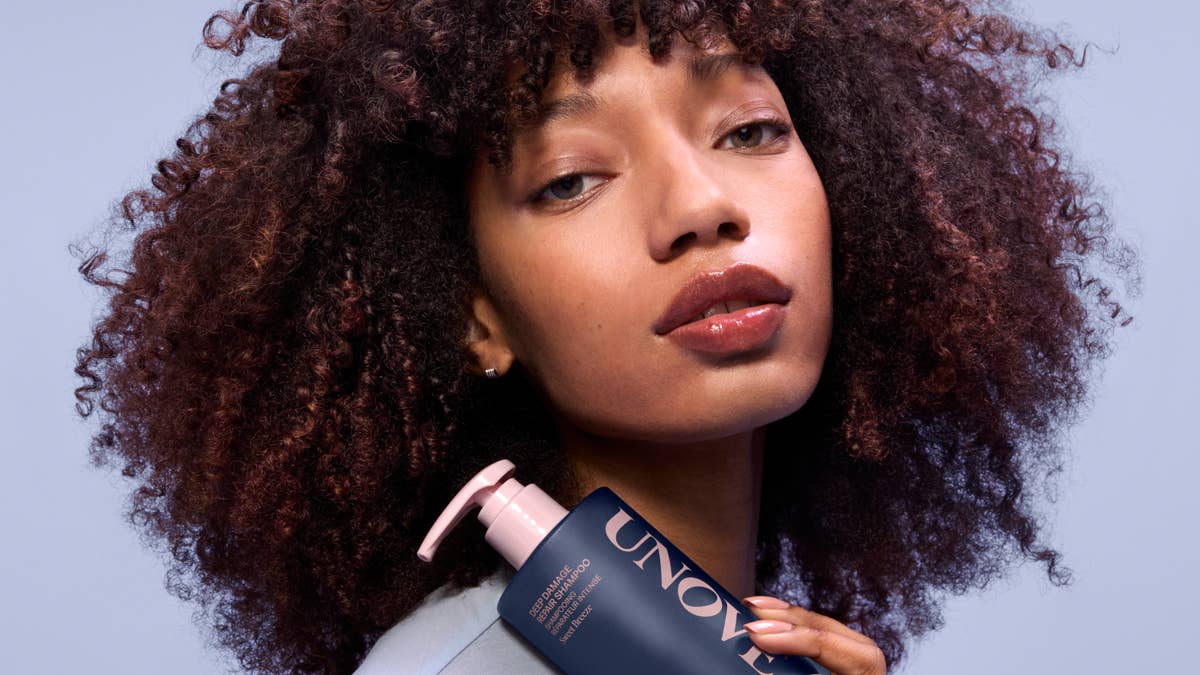
The Western beauty market has found its next big K-beauty investment: hair care.
For decades, American consumers have been enamored with Korea's ingredients-led skin-care products and aesthetic treatments. According to a report released by the Ministry of Food and Drug Safety (MFDS) in May, Korea’s cosmetics exports reached $11.4 billion in 2025, a 11.8% jump from a year earlier. Korea is the world’s second-largest cosmetics exporter after France, with the U.S. as its largest destination.
Similar to its skin-care counterpart, K-hair is heavily ingredient- and treatment-driven, with a popular focus on scalp health and "glass hair" (a sleek, super-straight hairstyle with a high-gloss finish). Major retailers are betting big on the category this year: Ulta Beauty added 13 brands to its assortment, six of which are available in-store; while Sephora is rolling out four brands, in addition to an ongoing partnership with K-beauty retailer Olive Young (which just opened its first U.S. location in Los Angeles).
Related: Inside Korean Beauty Retail Giant Olive Young’s First U.S. Store
But as K-hair expands into the West, it raises the question of where kinky- and coily-textured shoppers fit into the mix.
Per NielsenIQ, Black consumers spent $16.2 billion on beauty products in the U.S. 2025. That spending power presents a major market opportunity for Korean hair brands. However, coily hair types are uncommon within Korea's local demographic and differ greatly from looser patterns in terms of density, dryness and moisture retention. Meaning, brands looking to attract a wide breadth of U.S. consumers must ensure their products address those differences.
And several are — conducting the proper research, developing the right formulations and rolling out appropriate marketing tactics that don't leave Black shoppers behind. As a spokesperson for Unove's R&D team put it, "We see inclusivity not as a separate category, but as a core principle in product development."
Ahead, South Korean hair brands share their strategies for attracting a diverse clientele, and hairstylists weigh in on their effectiveness.
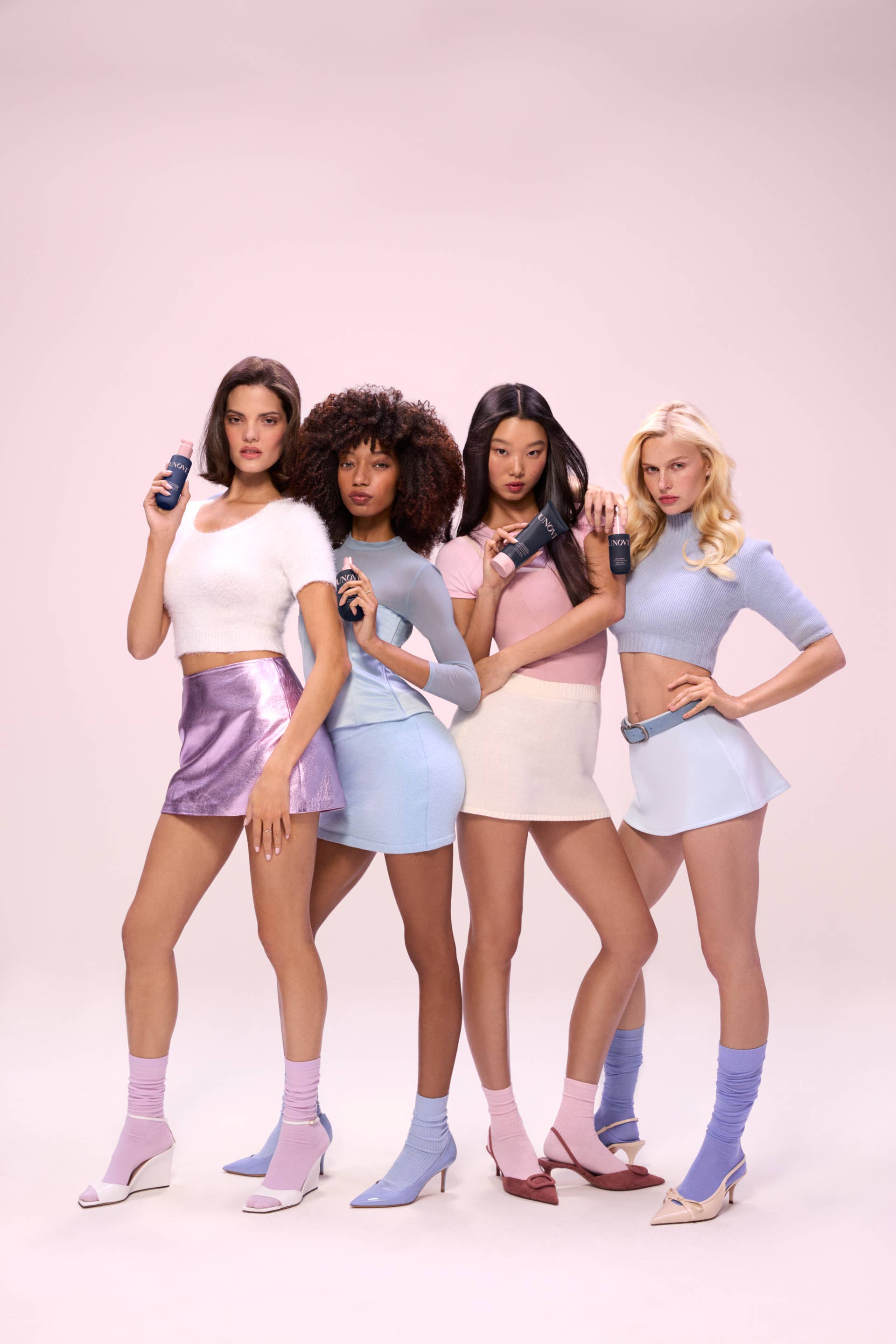
Photo: Courtesy of Unove
Formulating for the Right Needs
Caring for coarser textures requires using ingredients that deliver lasting moisture retention and help prevent breakage, says Kaleel Joy, a celebrity hairstylist whose clients include Olandria Carthen, Serena Page, Rita Ora and Chelley Bissainthe. How are Korean hair brands meeting that need?
"While traditional Korean formulas focused primarily on shine and smooth movement, highly textured hair requires prioritizing two new factors: elasticity and friction reduction," says Daye Choi, founder of Narka, a K-hair label that recently landed in Ulta. The brand focuses on maximizing slip, barrier protection and anti-frizz performance. "Our R&D process focuses not on simple surface coating, but on internal penetration capability and long-lasting pliability as key performance indicators," she says. "Our formulas are designed to deliver nutrients between the cuticle layers and enable styling optimized for each hair texture."
Brands such as Mise en Scène and Unove also focus on moisture improvement, frizz management and damage repair. Unove formulates with proteins such as keratin and panthenol to support structural repair without sacrificing curl integrity.
Related: K-Beauty Brands Are Still Expanding to the U.S., Despite Tariffs
Meanwhile, premium hair brand Dr. Groot believes its "scalp first" philosophy works across all hair types: "While we do test across a range of hair types to validate efficacy, our formulations are built around treating underlying scalp conditions and symptoms that impact overall hair health," Beth Stokes, the company's brand marketing manager, explains. Although scalp accessibility is more difficult with denser textures, the brand's fluid design makes it easy to apply. Plus, its key ingredients like salicylic acid and niacinamide work for all curl patterns "because they work at the scalp level rather than on the hair shaft itself," Stokes says. "As a result, the underlying science holds regardless of whether someone has fine, straight hair or dense, coily hair."
Admittedly, none of the interviewed brands use ingredients traditionally included in Black or Brown hair-care brand formulations. Such ingredients include shea butter, glycerin, ceramides, amino acids and oils like jojoba and argan, according to celebrity hairstylist Elizabeth Semande, who has styled hair for Coco Jones, Ming Lee Simmons and Zuri Hall. While all the labels are open to creating tailored hair-care lines in the future, their goal isn't to copy Black-owned brands, but to adapt their existing formulas to be effective for a broader clientele.
Of course, formulation is only one part of the equation — proper testing is another. Ahead of Unove's U.S. expansion, it broadened its testing approach to source human hair samples that reflect a wider range of textures, including recruiting coily- and curly-haired lab participants. It plans to permanently incorporate these changes into its clinical testing protocols.
Dr. Groot also widened its test pool to include more hair types and created a dedicated U.S. team to better understand the American consumer demographic. Meanwhile, Narka introduced standardized models using human hair tresses sourced globally with varying curvature patterns and collaborated with a U.S.-based consulting firm to receive advisory support across multiple areas, including brand diagnosis, key SKU selection and brand messaging, Choi says.
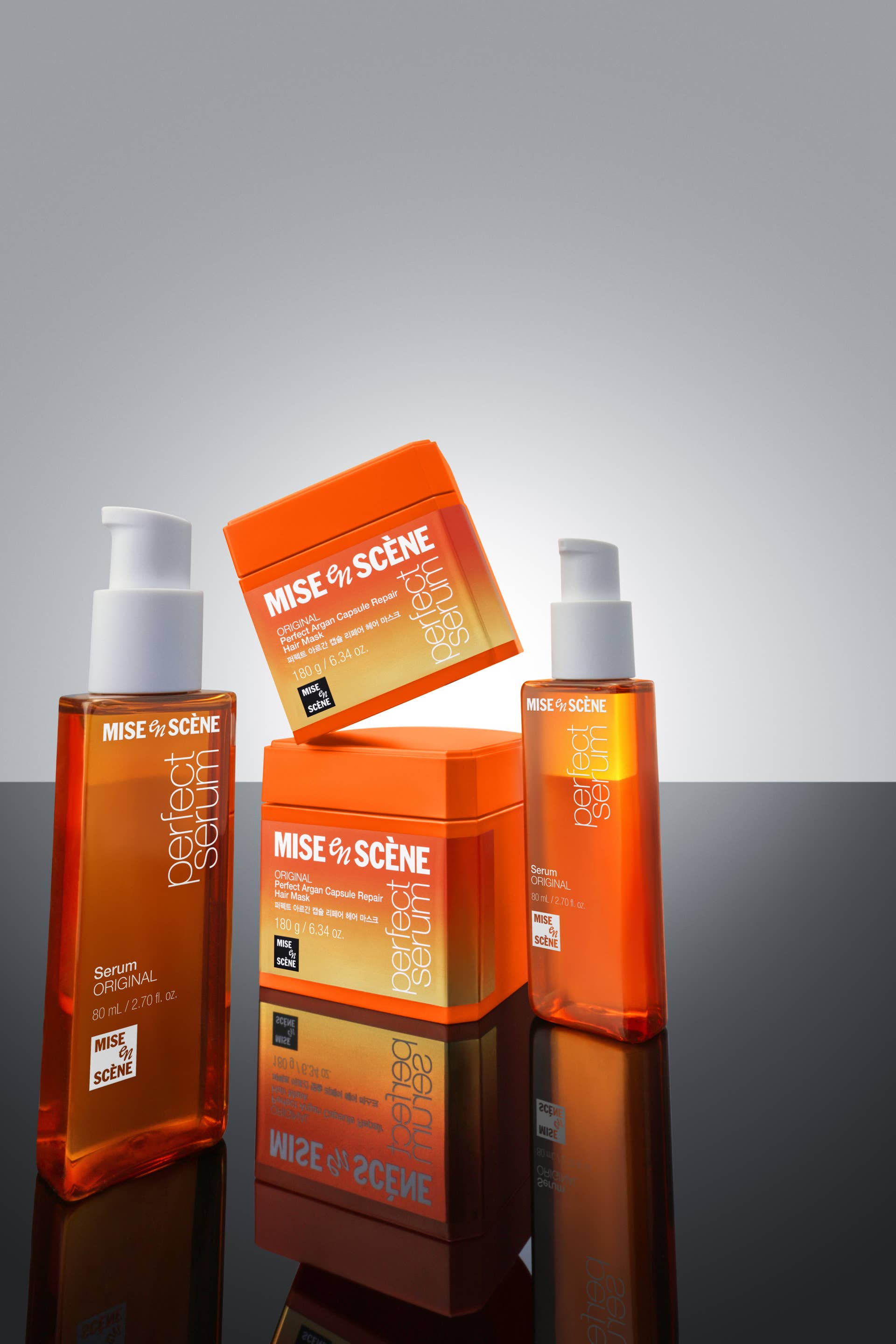
Photo: Courtesy of Mise en Scéne
Observing Product Performance
From a hairstylist's perspective, Korean hair products are still hit-or-miss for coily and kinky textures. Korean stylistSeoha Yoon, whose clients predominantly have slightly wavy textures, admits there's room for improvement: "Overall, Korean hair-care products tend to have pleasant textures and are easy to use," she says. "However, I personally feel that there are still not many products that are specifically designed to address the unique needs of curly or highly textured hair."
The learning curve goes both ways: Due to a lack of familiarity with Korean hair offerings, Yoon's majority-Asian clients are hesitant when introduced to the category, she says. "At this stage, clients still seem somewhat cautious when it comes to trying Korean hair-care products," she shares. "Their reactions can be relatively reserved."
To address that, brands are exploring ways to demonstrate the performance of K-hair products across hair textures. For example, Narka presents before-and-after content using diverse influencers and consumers. "In Western markets, persuasion ultimately comes through results," Choi explains. "Some consumers may assume that Asian hair products are not suitable for them. However, Korea itself has a wide spectrum of hair textures."
Related: Meet the Internet-Famous Hairstylist Bringing $75 Curly Cuts to the Masses
Celebrity hairstylist Jazmin Kelly, who has worked with Mary J. Blige and Iman, hasn't personally used Korean hair brands yet, but she's researched them and is impressed by the high-quality formulas that "in theory" would work with textured hair. However, "My honest professional observation is this: The creams and hydrating formulas in the K-hair space don’t yet deliver the weight and richness that coily textures truly need," she adds. "In practice, if a client with textured hair were using K-hair products, I would recommend always following up with a dedicated moisturizer to seal in hydration."
Semande, who has also yet to try Korean hair products on her clients, is open to testing them in the future. "As the beauty industry becomes more global, I think there is tremendous value in learning from different approaches to hair care and adapting them to meet the needs of diverse hair types," she says.
On the other hand, Jenny Cho, a Unove brand ambassador and hairstylist whose celebrity clients include Greta Lee, Jung Ho-yeon, Ana de Armas and Laufey, has seen her clients embrace Korean products after an initial trial. "There's a lot of curiosity at first, especially given that Korean skin-care products are so beloved," she says. "With Unove being Korea’s top hair-care brand, there’s an immediate sense of credibility — and once clients experience the softness, shine and manageability, that trust is reinforced across different hair textures."
Cho works across all hair types — straight, wavy, curly and coily — and while each texture has its own set of needs, hair health remains a common throughline. For coily hair specifically, she's found that repair-driven, deeply conditioning products are extremely effective. "I always tell clients to pay attention to how their hair responds," Cho says. "Ingredients like proteins, amino acids and conditioning agents are great, but it's also about how the formula feels – does it help with detangling, does it soften the hair, does it support elasticity? You want something that enhances the hair's natural pattern while still delivering long-lasting moisture and strength."
Hairstylist Joy has also had a positive experience with K-hair products, noting that he appreciates the focus on scalp health and use of innovative ingredients. "Many products feel luxurious and perform well," he shares. His main critique? "Some may need more moisture for coily textures."
Cho agrees there's still a lot of room for improvement. "There will always be opportunity to grow in education and representation — making sure that a range of hair types are not only considered in formulation, but also reflected in how products are tested, marketed and demonstrated," she says. But she's optimistic that the industry can meet those expectations.
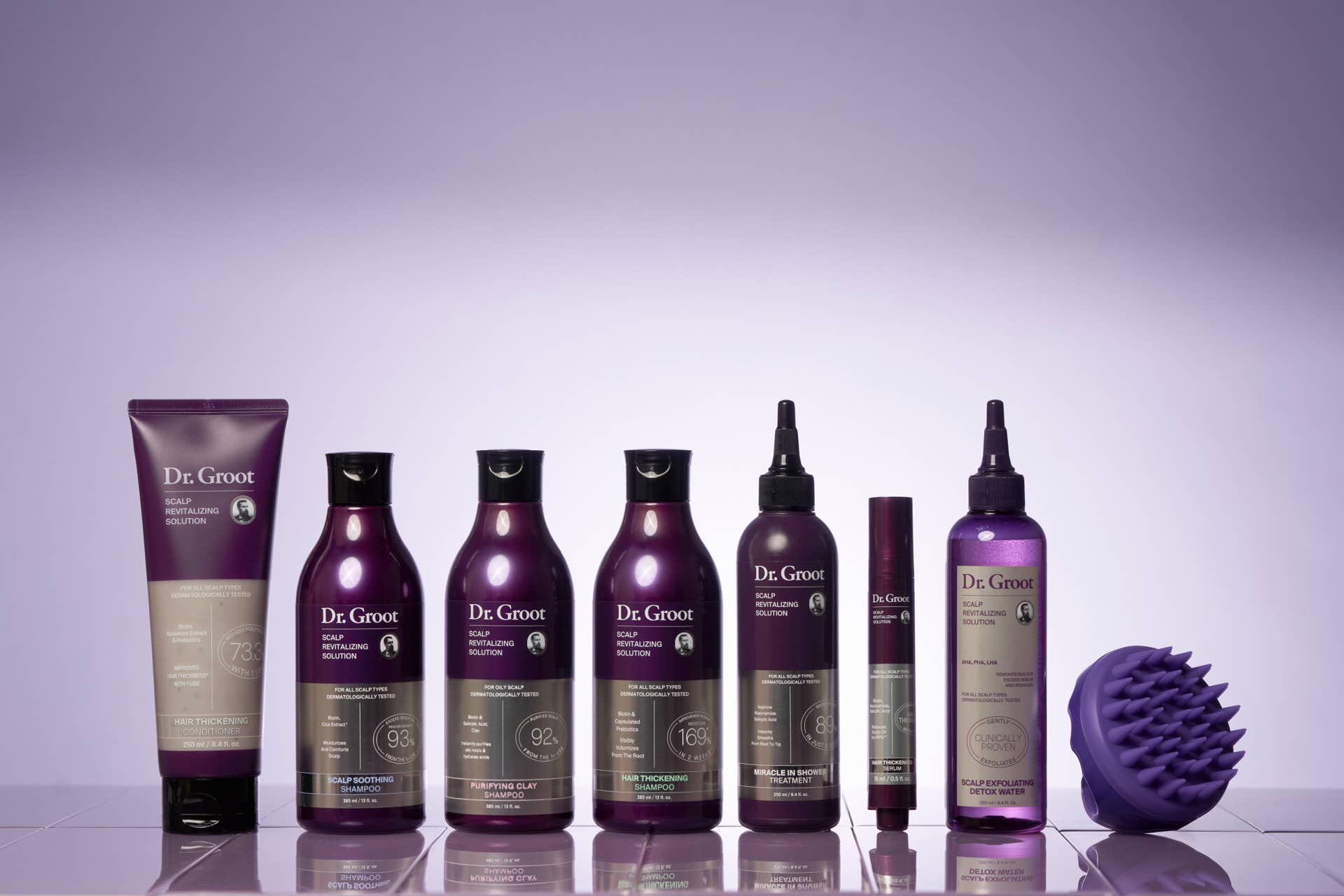
Photo: Courtesy of Dr. Groot
Diverse Marketing is Equally Important
As K-hair brands expand their presence in the West, the right messaging is also essential.
Dr. Groot takes a multi-channel approach that includes influencers, affiliates, collaborations and both internal and external seeding, all with intention to reach various communities. "We prioritize building a diverse roster of creators and stylists in our campaigns because their audiences trust them, and their feedback helps us show up more authentically," Stokes says. "We also recognize that hairstylists in particular carry significant authority in these communities, so their endorsement carries real weight in building credibility."
The strategy has paid off: A quick search on TikTok will show that, among popular Korean hair brands, Dr. Groot has by far the most endorsements from Black and Brown content creators (many of which are unpaid).
"We are clear about who we are: a Korean hair-care company with a scalp-first philosophy, not a textured hair-care brand," Stokes adds. "What we can say honestly is that our products have proven to perform well for Black and Brown consumers, and because of that, it's important to include those voices in our marketing to provide visibility into experiences that may resonate with different hair types. Staying grounded in that honesty helps ensure our intentions remain clear and reduces the risk of inauthenticity."
Narka, too, works with diverse influencers to show off product performance. However, it does promote texture-specific solutions. "In markets where similar products already exist, we propose a differentiated perspective: There is no single solution that fits all hair textures," Choi says. The hope is that, by seeing the subtle differences in how Narka products treat various hair types — lightweight freshness for fine hair and curl retention for kinky hair — consumers will get drawn in.
Meanwhile, Mise en Scène primarily uses social media to educate, using before-and-after comparison content and explanatory captions to help users find the right products for their hair types. It also combs through Reddit to get performance insight, a representative shares. It's worth noting that upon looking through Mise en Scène's social pages, there is little to no coily hair representation, and the brand declined to comment on how Black and Brown influencers play a role in their marketing strategy.
While it's clear there's still a lot of progress to be made in including diversity within the Korean hair-care category, there are actionable steps being taken in the right direction.
"K-hair brands looking to serve a diverse clientele authentically: Listen first. Engage directly with hairstylists and consumers who work with textured hair every day," Kelly says. "Invest in formulating richer, more emollient products — creams, custards and leave-ins with genuine slip and long-lasting moisture payoff. When K-hair gets that balance right — combining its world-ingredients with the density and hydration that coily textures require — the results will be extraordinary."
* This article was originally published here