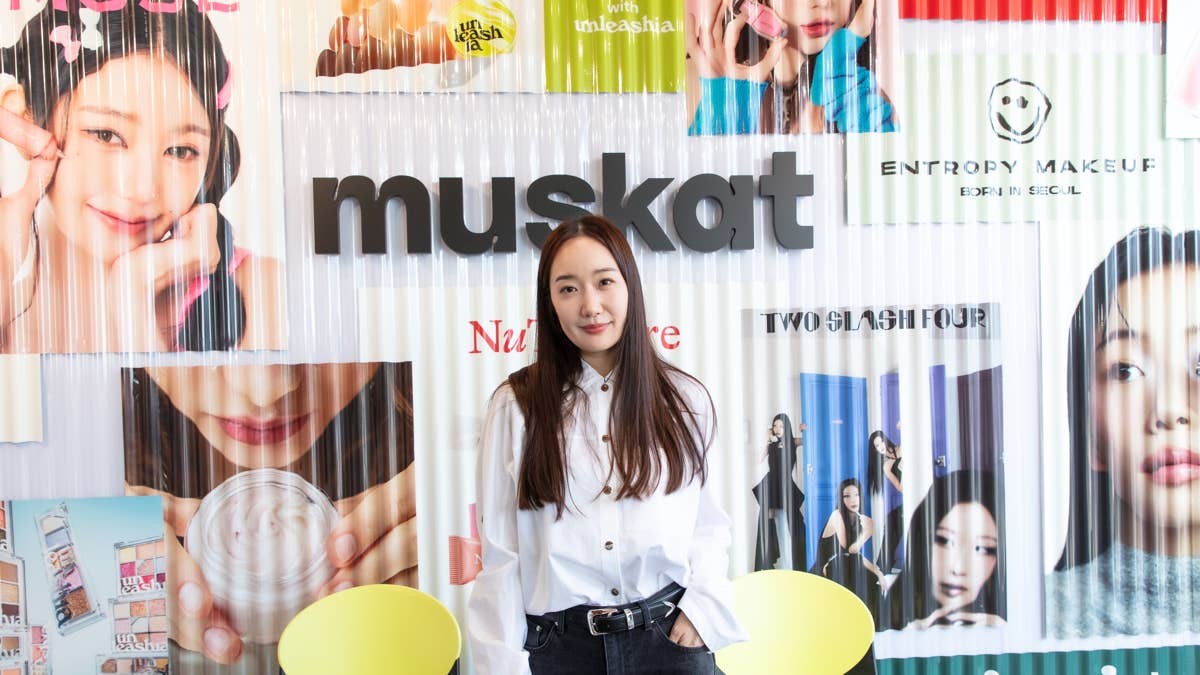
Between Korea’s powerhouse beauty retailer Olive Young partnering with Sephora and Korean department store Shinsegae unveiling its three-month Hyper Ground pop-up in New York City, the stateside K-beauty boom is showing no signs of slowing down. In the race to tap into the U.S. market’s seemingly insatiable appetite for all things K-beauty, some Korean brands are enlisting Muskat Beauty Inc. — a Los Angeles-based K-beauty curator and distributor founded in 2025 — to help place them on major retail players’ radars.
While it may feel like a new K-beauty brand finds a home on an American beauty retailer’s shelves every day, there’s a calculated playbook behind this global expansion. After all, brands cannot merely copy-and-paste their Korea-specific retail strategies onto the U.S. market. This is where Muskat comes in: Founder Daniella Jung and her team of 25 employees mastermind K-beauty brands’ go-to-market strategies across the nation.
As the North American operating arm of Jung’s Seoul-based distribution company Most Inc., which launched in 2019, Muskat works with brands such as Biodance, Celimax, CosRX, Purito Seoul, Torriden, VT Cosmetics and NuTexture, among others. It’s on track to reach $60 million in revenue this year.
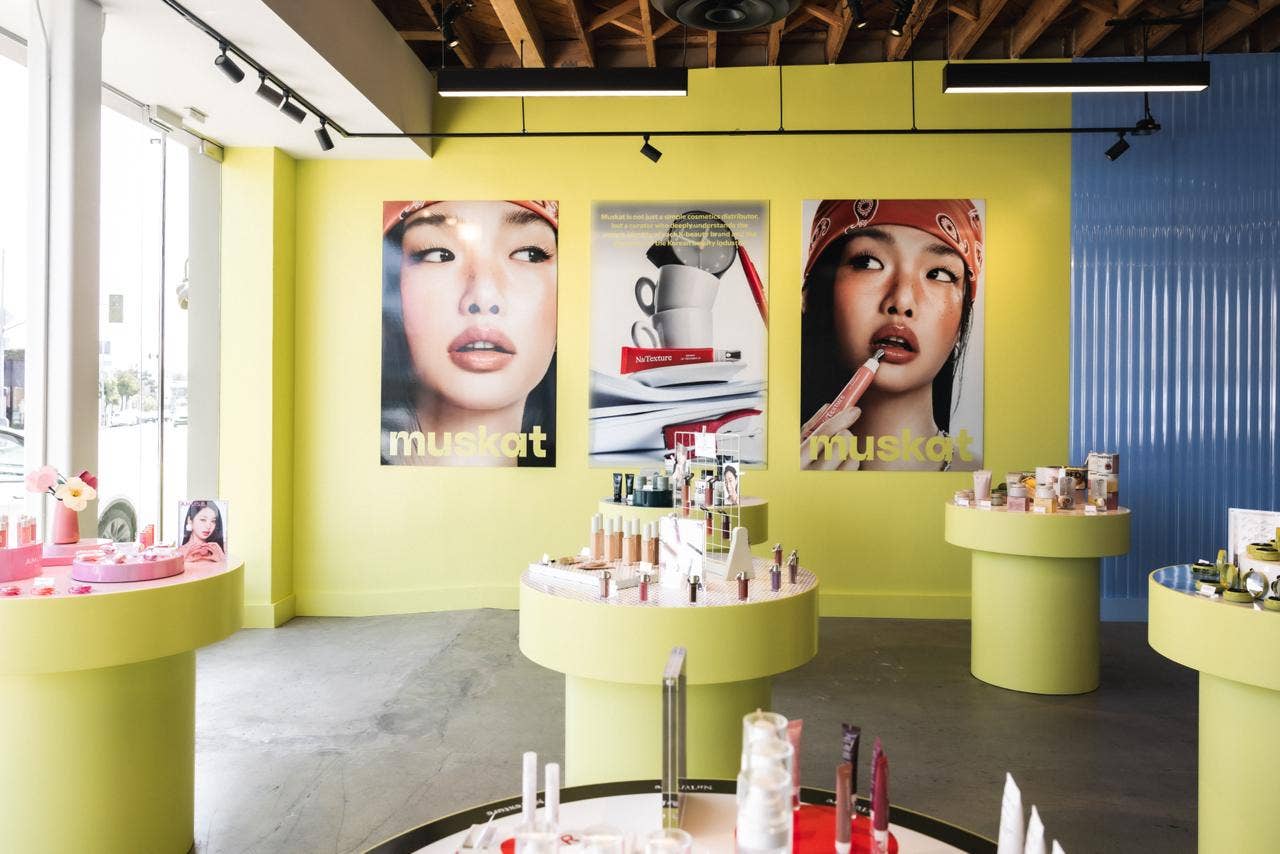
Photo: Esther Kim/Courtesy of Muskat Beauty Inc.
Before helping shape America’s K-beauty landscape, Jung began her career as a demand forecaster for Apple and later joined Amazon to recruit Korean beauty brands onto its website. But back then, roughly a decade ago, many Korean brands were focused on expanding to China rather than the U.S.
“I still remember that I had to make 200 cold calls convincing [brands], ‘you have to sell on Amazon,'” Jung tells Fashionista. “Now, everybody is selling on Amazon and I work with a lot of beauty brands that are active on Amazon. But then, I saw a huge, huge opportunity [for] Korean beauty for U.S. consumers.”
Related: Sephora’s Olive Young Partnership Will Debut With 19 K-Beauty Brands
Through Muskat, Jung works closely with retailers like Costco, Target and Sephora. Just as each retailer has a different core demographic, they are also searching for different qualities in the K-beauty brands they stock. Costco’s global business model is particularly unique as it doesn’t buy brands, but rather on a product basis: It purchases only a select number of best-selling SKUs rather than stocking an entire product line. (This strategy also enabled the retailer an easier access point to become an early adopter of the K-beauty category.)
At Sephora, buyers are pursuing unique brand stories, interesting ingredients and a clear founder philosophy. (“That’s not a discussion that I have with Costco buyers,” Jung says.) Take Biodance, for example: The skin-care brand is stocked at both Costco and Sephora, with the former offering 24-pack boxes of the brand’s popular hydrogel masks and the latter supplying a broader range of SKUs.
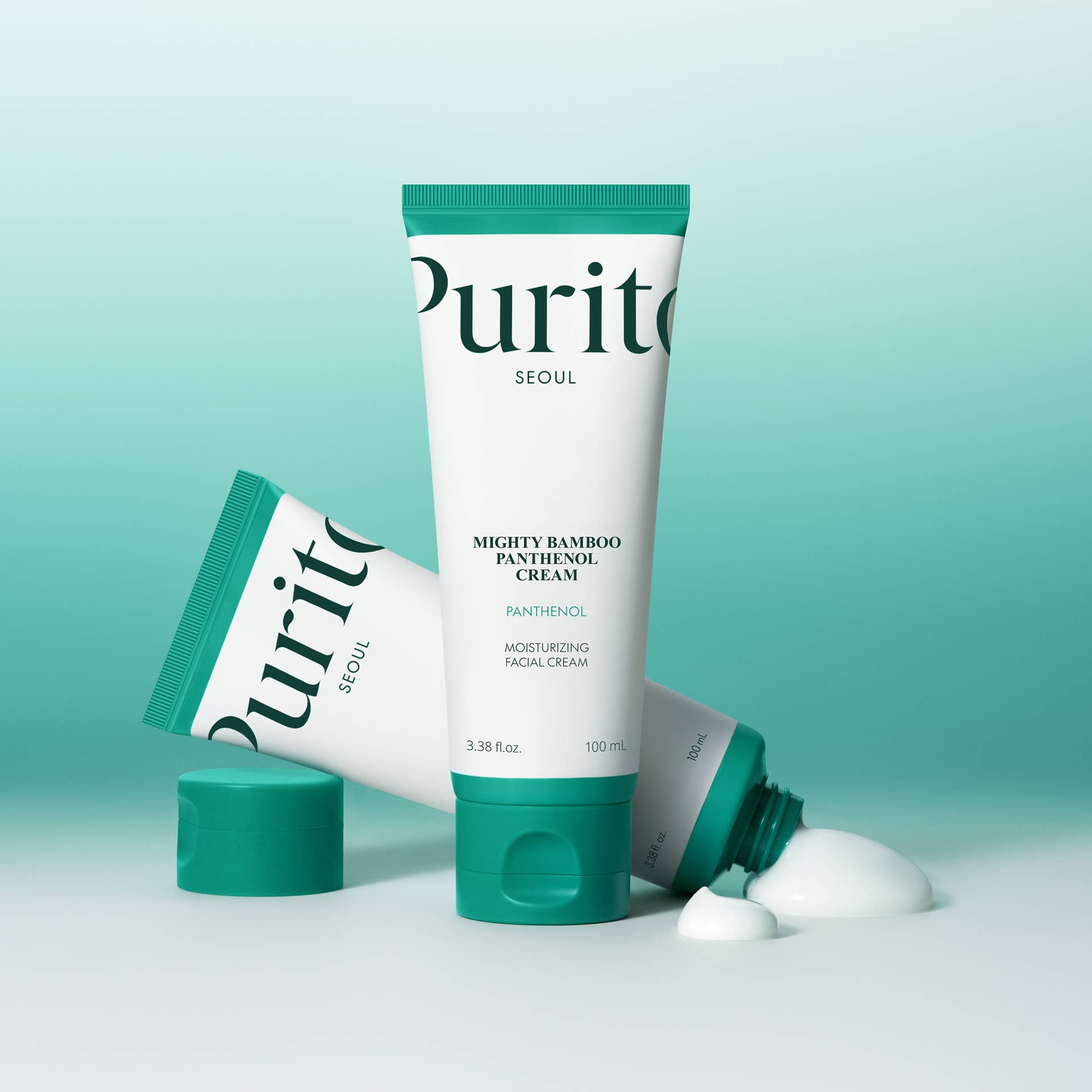
Photo: Courtesy of Muskat Beauty Inc.
Target shoppers are also looking for a unique product at a mass-market price, especially on the heels of its recent Target Beauty Studio launch, which offers a curated assortment from more than 90 prestige emerging and global brands. This September, Muskat helped secure Purito Seoul and Aromatica’s slots in Target Beauty Studio. Purito Seoul is a skin-care brand best known for its moisturizers (see: the Mighty Bamboo Panthenol Cream and the Oat in Calming Gel Cream), and its Target entrance has been a long time coming. “Purito Seoul is one of the brands that has been investing a lot of marketing into the global market rather than [the] Korean market,” Jung says.
Aromatica stands apart as the sole Korean hair-care brand in the Target Beauty Studio lineup, bringing more than 20 years of scalp expertise to the U.S. retailer. “They are actually dominating that [scalp-care] category,” she notes, adding that the brand’s Rosemary Root Enhancer and Rosemary Scalp Scaling Shampoo are becoming “cult-favorite hair-care products in Korea and [the] global market.”
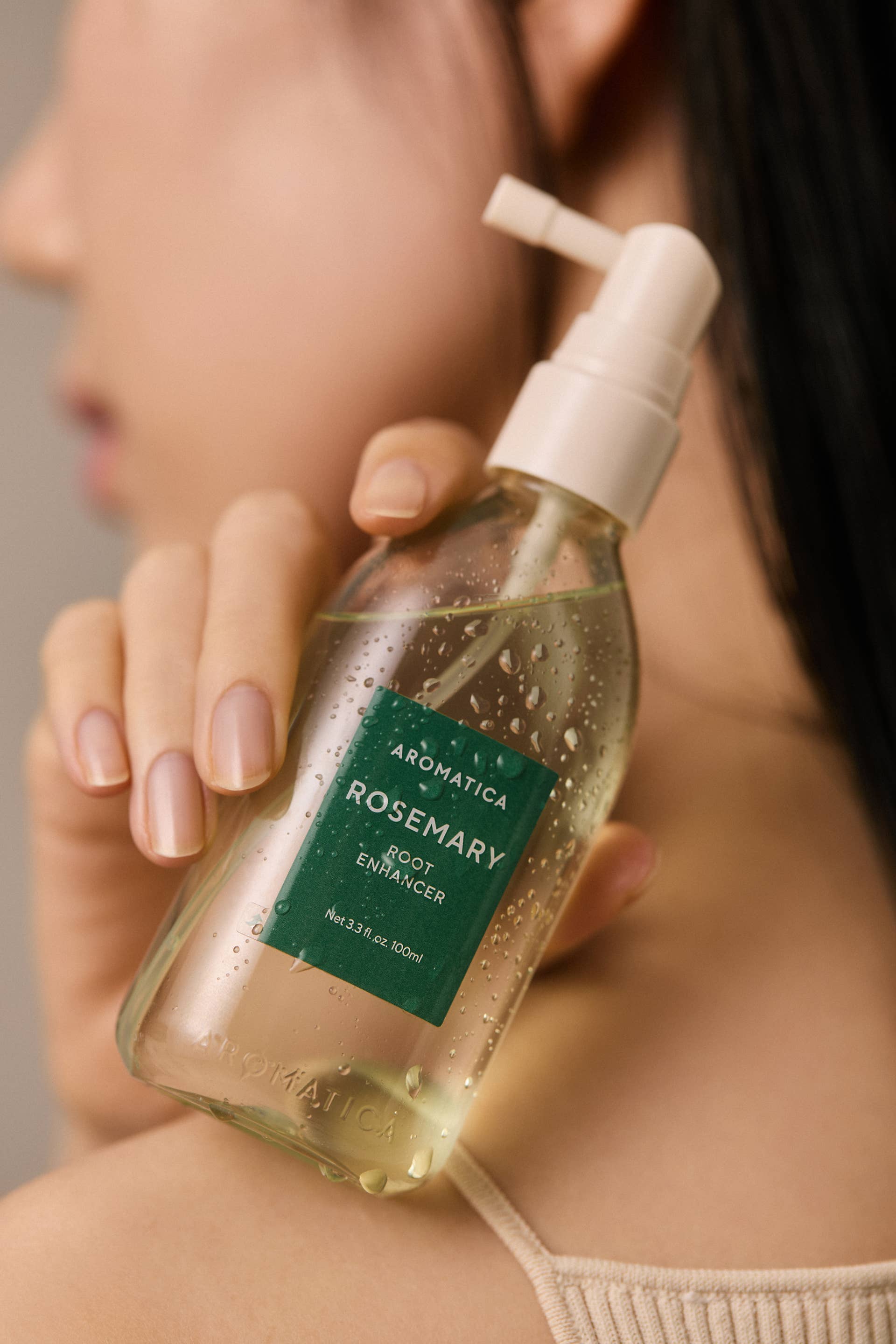
Photo: Courtesy of Muskat Beauty Inc.
Despite these retailers’ different customer bases, they’re all eyeing one common characteristic: virality. “These days, buyers really want similar things from K-beauty, which is virality, because consumers discover brands on social media and then they find [them] in a retail store,” Jung explains. Because of this, Jung is looking for growing social media conversations around the brands that she works with, noting, “it’s not something that we can create in a short period of time.” U.S. retailers want to see K-beauty brands’ Amazon rankings and TikTok metrics before carving out space on a store’s shelves, meaning that they need to establish momentum before Muskat steps in.
“When you work with Target, Ulta [or] Sephora, you are working with experts and you are actually basically launching your products for 2,000, 5,000, 6,000 doors, which doesn’t happen in Korea,” Jung says. “So this scale requires marketing capacity and operational excellence and price control.”
Choosing the right retailer for a Korean brand taking its first steps into the U.S. is a major part of Muskat’s go-to-market strategy. Launching into the largest U.S. retailer possible may not always be the most effective approach for a brand looking to hook American beauty consumers. “There is an order of the retail that you need to go when you expand your brand into the U.S.,” Jung says, adding that Muskat would not recommend initially launching into Costco or Walmart based on their promotion strategies.
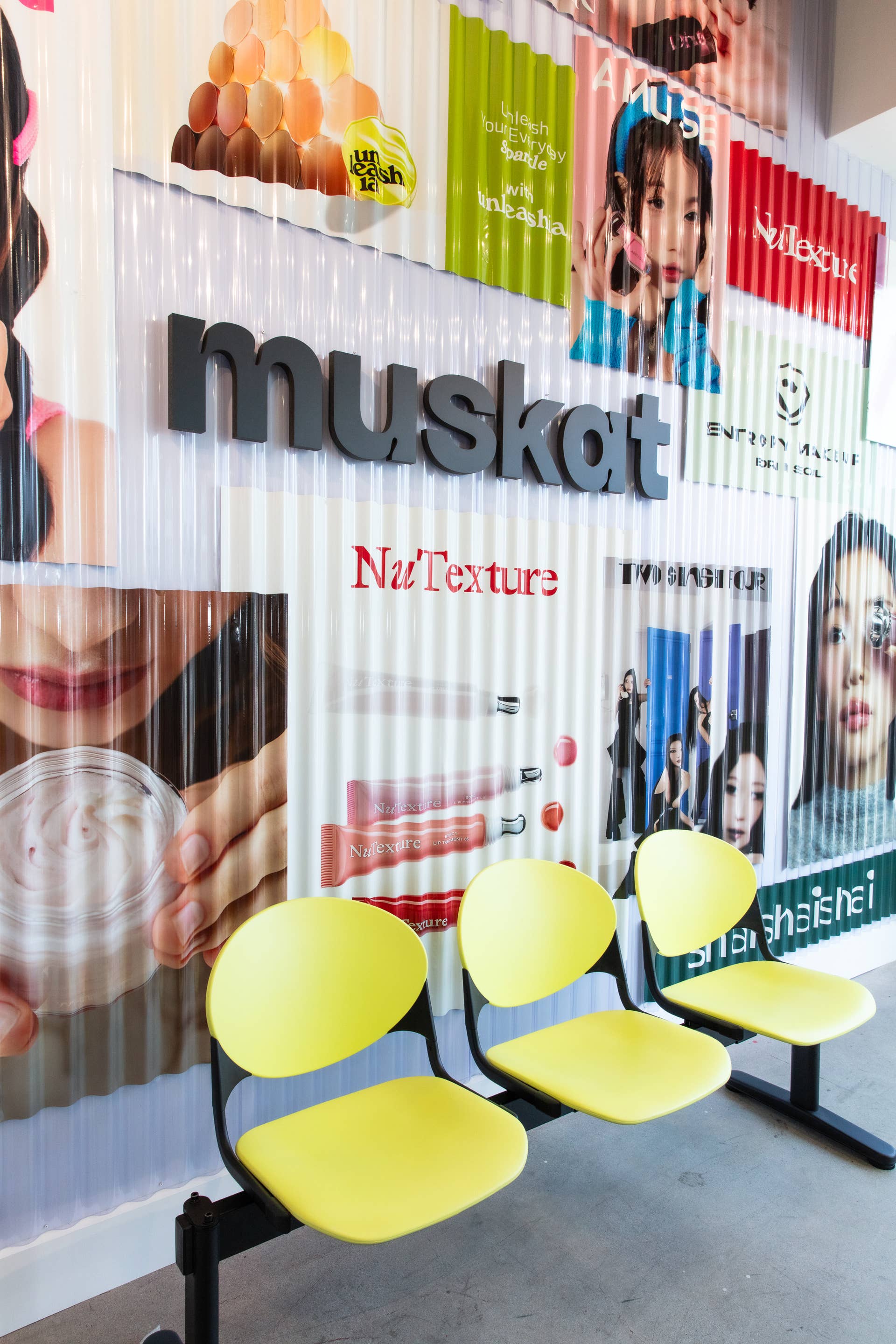
Photo: Nina Fernandez/Courtesy of Muskat Photo: Courtesy of Muskat Beauty Inc.Beauty Inc.
Although U.S. and Korean consumers share a love for high-quality skin care, their respective beauty retail landscapes are noticeably different. Olive Young dominates Korea’s beauty market with more than 1,350 stores in the country, while the U.S. is segmented into specialty retailers (Sephora and Ulta Beauty) and big box stores (Target, Walmart, Costco). However, one of the biggest differences between the two countries is their beauty promotion strategies. In Korea, Jung notes that there are frequent discounts, including offering products at 50% off, BOGO deals or gifts with purchase. But, in the U.S., “protecting the brand equity by controlling the retail price is fairly important,” she explains.
“I always work with a brand and advise them not to run heavy promotions because every Korean brand is trained that discount[s] [are] one of the efficient tools to grow the brand, but in the U.S. you have to use it in a different and smart way,” Jung continues. In practice, this intentional discounting looks like participating in semi-annual sales (i.e. the Sephora Savings Event) or holiday-specific promotions (such as Black Friday).
As the U.S. market continues to welcome K-beauty brands with open arms, Muskat stands apart from other distributors as a company “rooted in Korea” managing day-to-day operations from its L.A. office. It aims to selectively scale the number of brands it works with, serving as a consultant on strategic U.S. expansions for Korean labels and an expert curator for retailers. But, Jung isn’t interested in transforming Muskat into a K-beauty conglomerate; Instead, she wants her company to maintain its “boutique firm mentality.”
“We don’t want to work with 100 different brands and discount them and work with all of the retailers, but we want to work as an adviser for the brand,” Jung says. “We also want to become multiple retailers’ best friend when it comes to Korean beauty curation.”
Please note: Occasionally, we use affiliate links on our site. This in no way affects our editorial decision-making.
* This article was originally published here