"The fresher the better" is a guiding principle most of us follow when it comes to what we eat and drink. But is that also the case when it comes to skin care? Yes, according to the people behind "freshly made" skin-care brands like Exponent, Skinome and Skin at Peace.
Unlike typical skin-care companies, these "fresh" brands create ointments, ampules and salves in small batches to retain potency of active ingredients — antioxidants, vitamins and botanical extracts — that tend to degrade over time, often without the use of preservatives common in standard skin care. While the FDA doesn't require cosmetics to have specific shelf lives or expiration dates on labels, the industry standard is that unopened skin-care products generally last two to three years, while opened products should be used within six months to a year. Conversely, freshly made, preservative-free skin-care needs to be used with much more urgency, usually within two to six months.
What brands are making 'fresh' skin care?
While the concept has recently been gaining traction, it’s not by any means new. Lush has been producing freshly made skin care for decades. "We see ourselves as the architects of fresh skin care," Global Retail Director Claire Constantine tells Fashionista. "We've spent 30 years proving that beauty should have a 'made-on' date, not a three-year expiration date designed for a warehouse shelf."
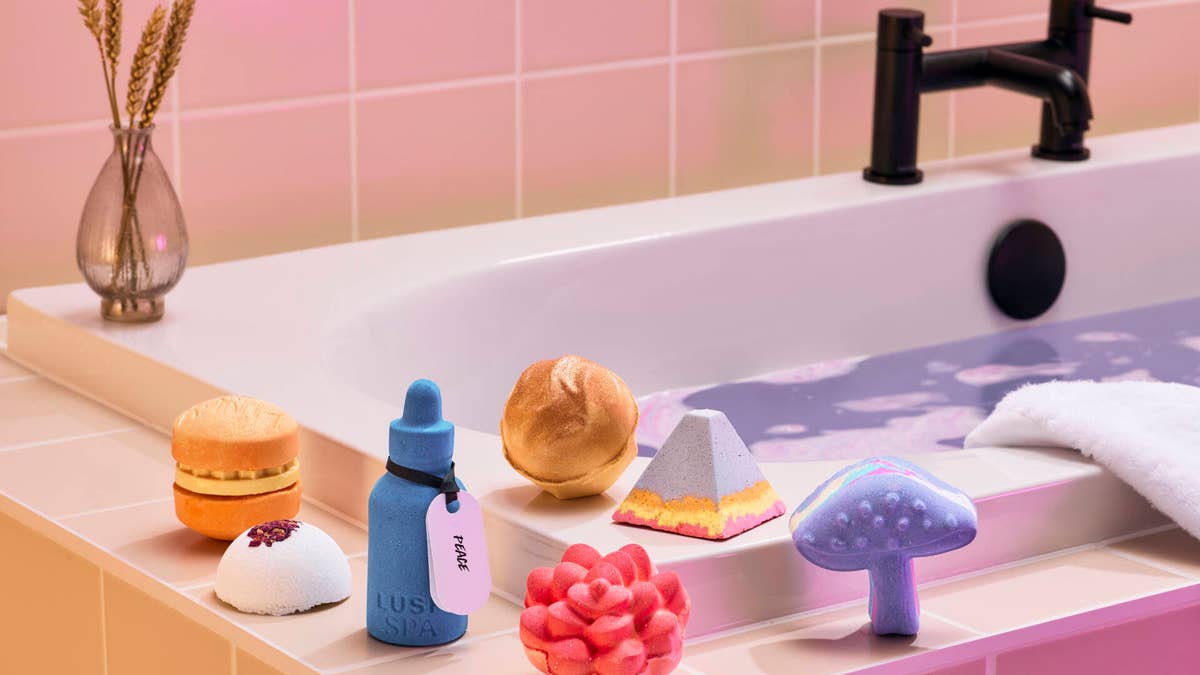
Photo: Courtesy of Lush
Newer iterations of fresh, made-to-order skin care include the brand Skin at Peace, which uses a subscription model and makes preservative-free products weekly that have a 60-day shelf life. The brand's full system, which includes a cleanser, toner, day and night cream, costs $125 with a subscription, while individual products are available to purchase for $35-$55. Dr. Rodrigo Garcia created the brand with his wife Lindsey Garcia, a holistic esthetician. Her ongoing battle with rosacea flare ups led the pair to seek out — and ultimately create their own — alternatives to traditional products. The brand boasts a score of 92.5 on Yuka, an app often used by consumers to judge the "safety" of ingredients in foods, cosmetics and cleaners. With a customer base of people with sensitive, reactive skin, Skin at Peace claims its line is particularly helpful for those with rosacea, acne and allergies.
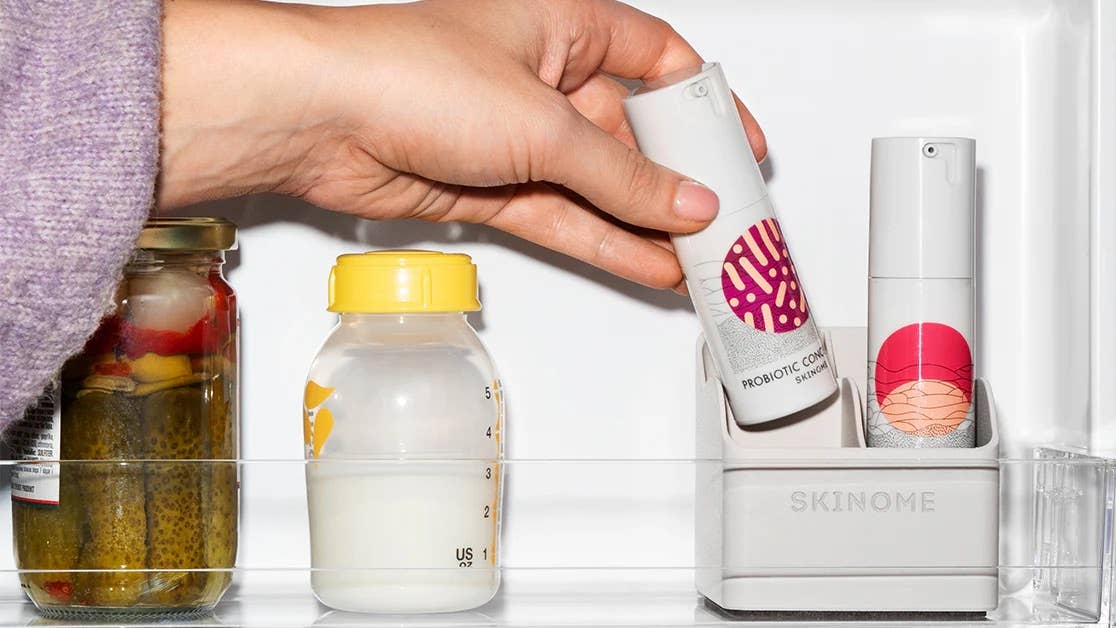
Exponent Beauty takes a different approach, offering serums with a powder active at "peak potency" that you mix in manually together in your hands. Swedish brand Skinome, meanwhile, sells freshly made skin care intended to be stored in a refrigerator. There's also Niki Newd, which uses "the finest Nordic and Mediterranean ingredients" to create products that last for up to six months.
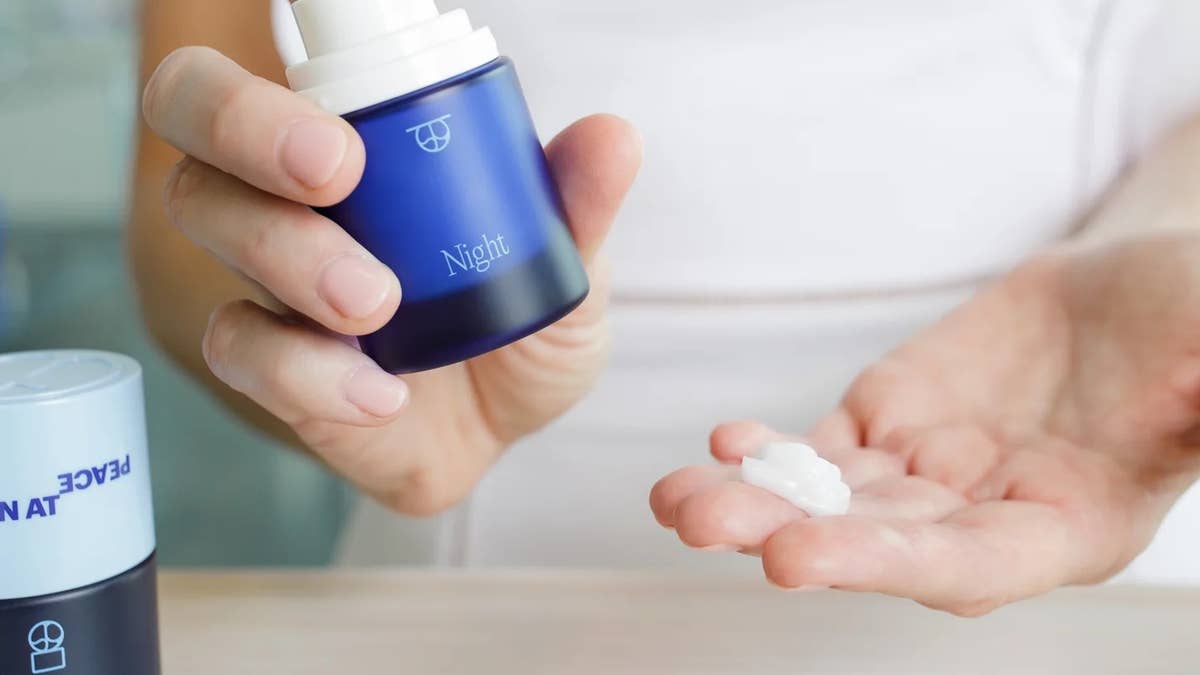
Photo: Courtesy of Skin At Peace
"Our view is that shelf-stable skin care preserved for long-term storage comes with tradeoffs, particularly for the skin microbiome," Skin at Peace co-founder Dr. Garcia, who is an MD and microbiologist, explains. "We take a different approach: Products are freshly made, used within a short window and designed to support healthier skin without the microbiome disruption that preserved products can create."
A through line of "clean" beauty messaging has long been that preservatives are the enemy. Larissa Jensen, global beauty industry advisor at market research firm Circana, says that "roughly half or more of consumers report they actively seek clean options across all beauty categories." So it's not surprising that this wave of "fresh," preservative-free brands — a more specific iteration of "clean" beauty — would pique consumer interest.
What do the experts say?
Does the science support the notion that fresher is better? Marginally, says Kelly Dobos, a cosmetic chemist and adjunct professor of cosmetic science at the University of Cincinnati: "In recent years, fresh or made‑to‑order skin care has been positioned as a scientific upgrade suggesting that products are more potent simply because they are newly made. From a formulation standpoint, that claim contains a small grain of truth, but is largely overstated."
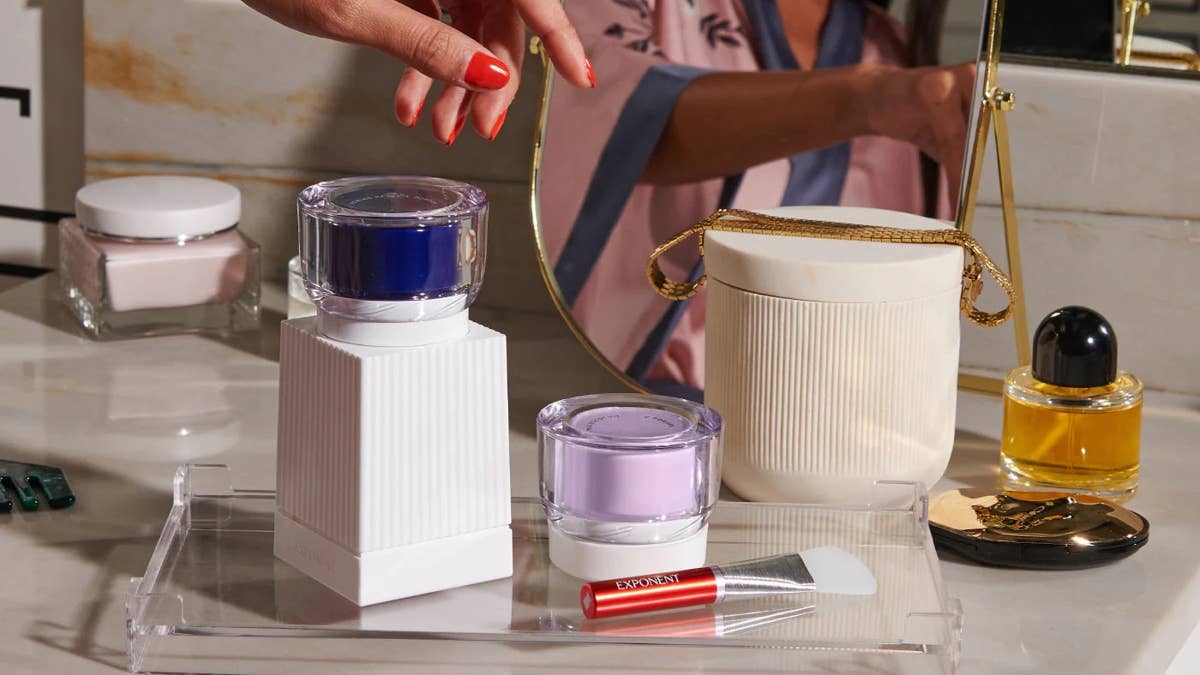
Photo: Courtesy of Exponent
The degradation of actives in traditional skin care isn't as dramatic as some brands claim. Perry Romanowski is a cosmetic chemist, industry veteran and the vice president of Element 44 Inc, a prominent science education and consulting firm specializing in cosmetic formulation. According to him, "for ingredients like bakuchiol, niacinamide or lactic acid, freshness has no impact on the performance story."
Usually, if a product is meaningfully losing its ability to perform within weeks or even months, it's a formulation issue rather than an ingredient one, Dobos adds, "but modern cosmetic chemistry offers many ways to protect sensitive ingredients through encapsulation, antioxidants, pH control and packaging. In other words, freshness is not inherently superior, but good formulation is."
The exceptions are highly unstable actives, like L‑ascorbic acid, a form of vitamin C that is commonly used in skin care. Dr. Michelle Wong, who also goes by Lab Muffin across social media, is a science educator and cosmetic chemist in Sydney, Australia. She thinks that the degradation of L-ascorbic acid is still less of a problem than a lot of people think based on her own tests. "It takes a pretty long time for a big drop in the amount of active L-ascorbic acid, even if you just have plain L-ascorbic acid dissolved in water, in light or when it's open to air."
Retinol is another historically less-stable active. "But again, there are really good formulas now," Dr. Wong notes. "There are formulas where you can have retinol in a jar and it will stay active for a year or two."
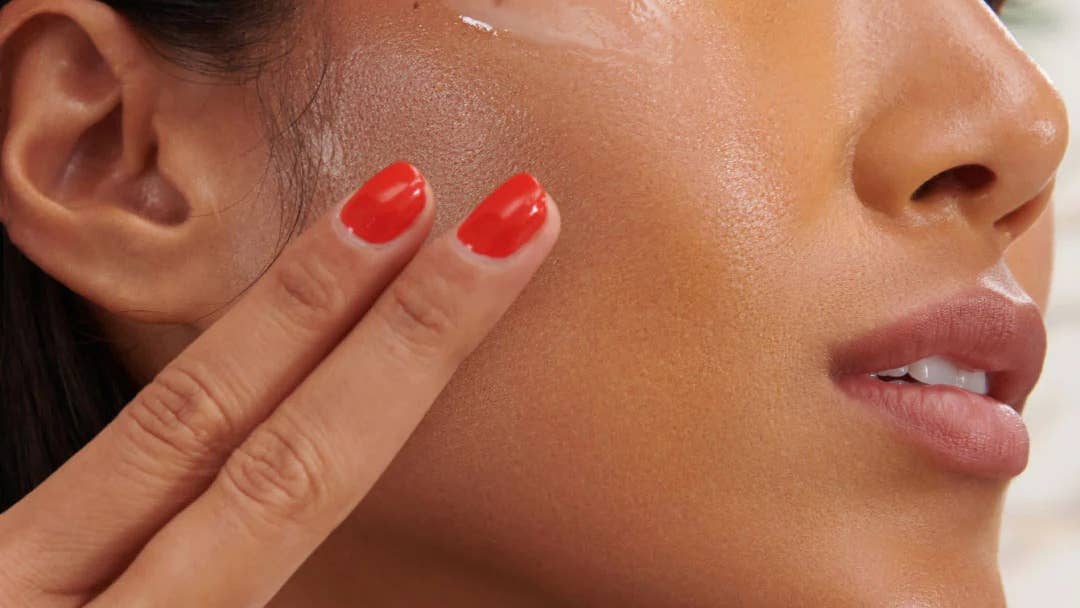
Photo: Courtesy of Exponent
Dr. Garcia assures me that his goal with Skin at Peace "isn't fear-based marketing or attacking other brands." His findings are based on published studies, cited on the brand's website, that preservatives can disrupt the natural skin flora or alter the microbiome. "Our philosophy is biosensitivity and biomimicry; supporting the skin in the way healthy skin naturally functions."
Romanowski isn't convinced. "This is classic fear mongering marketing," he says. "Marketers treat any scary in vitro signal as if it proves consumer harm. That is not how toxicology works." In vitro studies are conducted on cells or microbes in a lab setting, while in vivo studies are tested on living subjects or real human skin. The distinction matters: "Of course, if you dump a preservative onto cells or microbes at high enough concentrations, you can absolutely get a negative effect," Romanowski continues. "But skin is not a petri dish, and a finished cosmetic formula is not the same as a raw ingredient tested in isolation. In fact, some in vivo work on full cosmetic formulations has found little to no measurable microbiome disruption under normal use conditions."
Critics also point out that going preservative-free doesn't eliminate risk so much as redistribute it. Many preservative-free products rely on short use periods, refrigeration or essential oils, “all of which shift risk management onto the consumer rather than solving the underlying challenge,” Dobos warns.
"Perhaps the biggest misconception is that 'natural and fresh' means safe, while ‘synthetic and shelf stable' means harmful," Romanowski explains. "The cosmetic industry was started because natural solutions were inferior to synthetic products chemists could put together. Honey and milk worked fine until we discovered petrolatum, mineral oil and glycerin, which work much better."
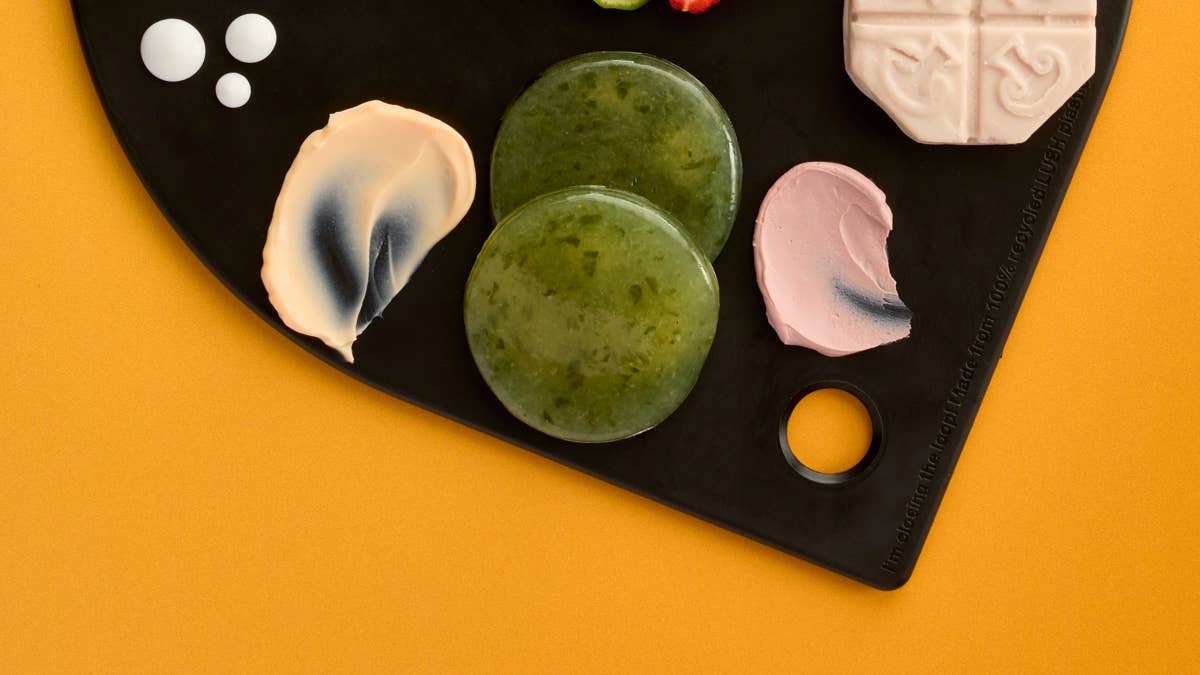
Photo: Courtesy of Lush
Dobos echoes this philosophy: "Fillers really get a bad rap," she says. "They play essential roles in controlling delivery of efficacious ingredients, improving skin feel and ensuring stability. Without these components, many formulas would be unstable or just unpleasant to use. Effective skin-care products are built as systems, not single hero ingredients."
What's the consumer takeaway?
For most consumers, the question isn't just whether fresh skin care works, but whether it's worth the cost and hassle associated with it. And on the industry side of things, freshly made skin care is notably difficult to scale, and thus unlikely to gain widespread traction.
"There will be hardcore fans, but going mainstream would be a challenge because super‑fresh, short‑shelf‑life products aren't for everyone," notes Circana's Jensen. "Because of this, fresh skin care will probably stay niche: cool for enthusiasts, but not the everyday consumer."
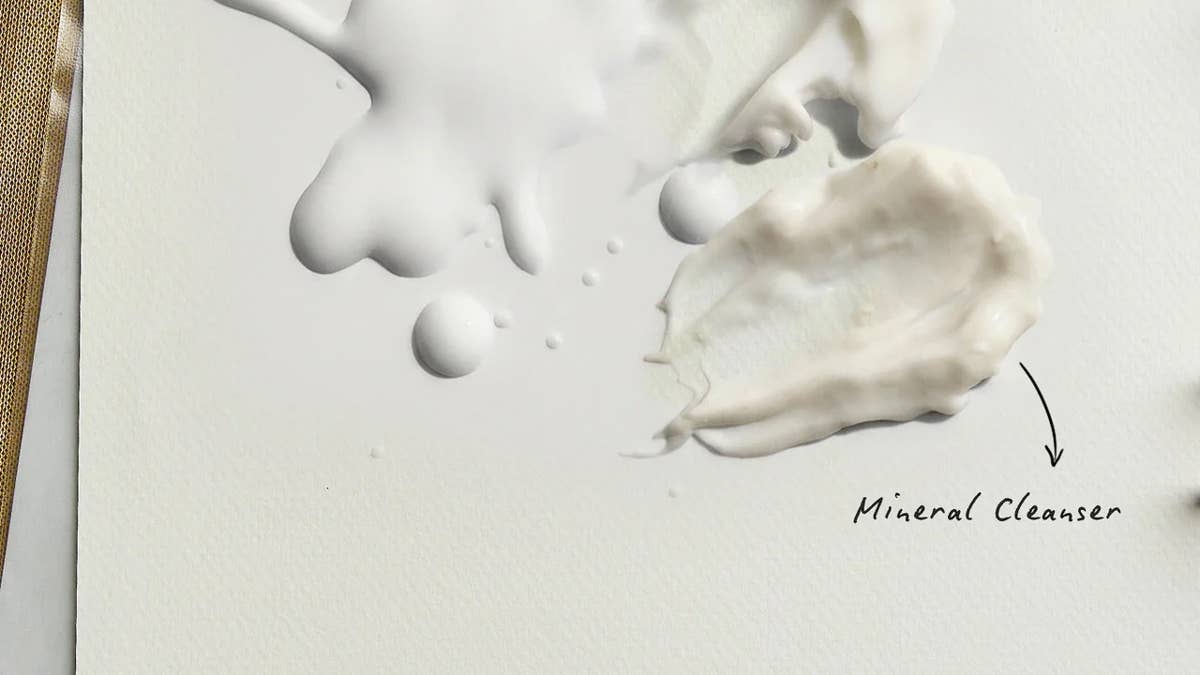
Photo: Courtesy of Skinome
Dr. Garcia seems to enjoy creating for an underserved, niche community of customers, many of whom keep coming back to Skin at Peace. Subscriptions for the brand's full system currently have a 96% renewal rate; and sales have increased by 350% in the last quarter, according to the company. The plan for Skin at Peace is to scale slowly, introduce a quiz to recommend products for people based on their concerns, and launch a sunscreen next.
The Bottom Line
Is freshly made skin care beneficial or not? The answer seems to lie somewhere in the middle. It may serve as a helpful solution for a small minority of consumers — particularly those who experience irritation and have some distrust of corporations and ingredients, who and are (understandably) less inclined to try and decipher scientific jargon. Fresher, as it turns out, can sometimes be better.
"Fresh skin care can make sense in very narrow cases," Dobos says. "But it is not a meaningful scientific breakthrough on its own. When 'freshness' becomes a substitute for solving stability, safety or delivery challenges through chemistry, it risks being more about marketing than substance. The real measure of a good skin-care product isn't how recently it was made, but how well it's formulated, tested and designed to perform consistently over time."
* This article was originally published here