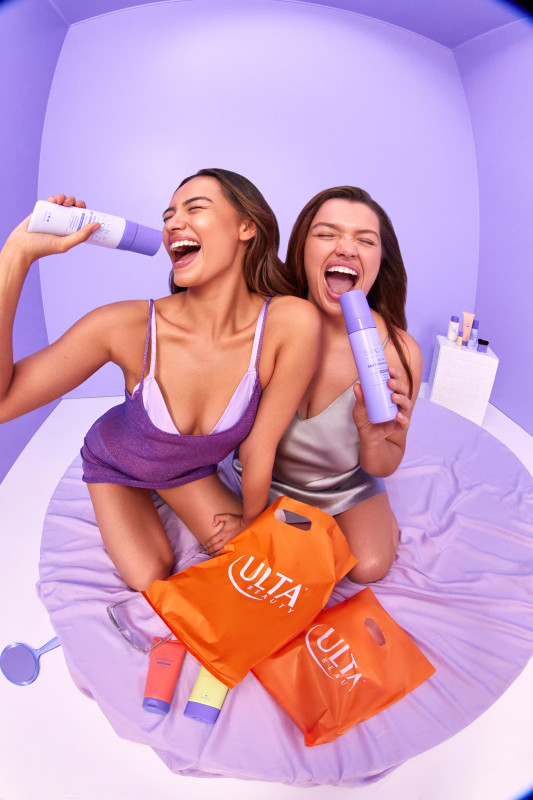
Luna Bronze's U.S. retail debut has been a decade in the making. The Australian self-tan brand — born from co-founder Maddy Balderson's brush with skin cancer — launched in 2015, and it's been restructuring over the last five years in preparation for global expansion. This February, Luna Bronze entered its first major U.S. retail partnership with Ulta Beauty, marking a key milestone for the brand amid a surging appetite for Australia's body-care innovations.
"There's definitely growing global interest in Australian beauty more broadly," Balderson, who's based in Sydney, tells Fashionista. "Australian brands tend to be associated with natural ingredients, simplified routines and a strong awareness of sun safety, which resonates with U.S. consumers."
Australian beauty brands like Bondi Sands, Lanolips and Ultra Violette have already made waves across categories in the U.S. market, and the A-beauty space is only rising: In 2025, Australian beauty generated $16 million in media impact value (MIV) in the U.S. and it's estimated to grow nearly 12% to $17.9 million MIV in 2026, according to Launchmetrics data.
Now, a growing number of Aussie body-care brands are expanding their footholds in the U.S. retail space. Gem, a personal-care brand boasting minimalist pastel-colored packaging, recently launched in Walmart after fostering a cult following in the U.K. and its home country of Australia. Self-tanning brand Bali Body completed its largest U.S. retail expansion to date in February with its push into approximately 2,900 Walmart stores nationwide, while Orb Oils' gender-neutral body oils (which are crafted in Melbourne) started entering the U.S. market in the latter half of 2025 through Revolve and Free People.
"We've had such an incredible reception from our Australian audience since launch, that we have seen an organic overflow into international markets and especially the U.S.," says Orb Oils Co-founder Emma Smith. "There seems to be a gap in the market for what we are doing, and the mold we are trying to break not just locally and nationally, but globally."
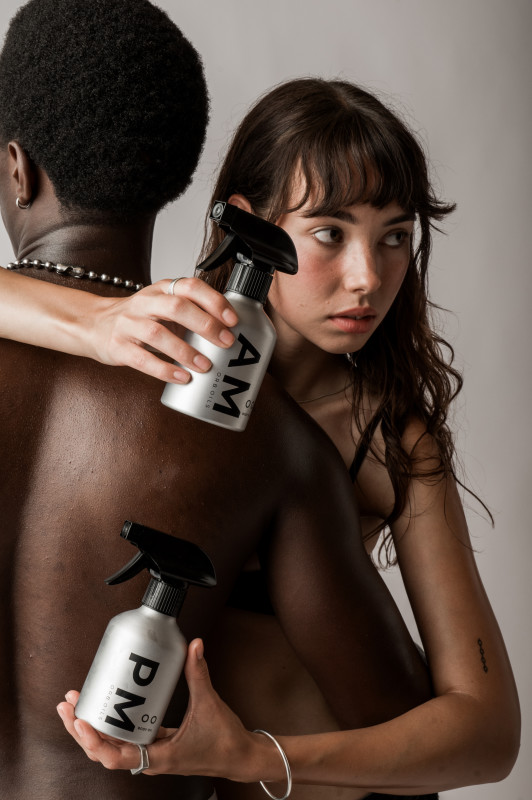
Photo: Courtesy of Orb Oils
But what's fueling this stateside Australian body-care boom? Amplified by social media's unfettered access to global trends, consumer interest in international beauty markets has only skyrocketed in recent years. Take, for example, the K-beauty renaissance sweeping the nation: Boosted by fan-favorite brands like Medicube and Beauty of Joseon, K-beauty sales in the U.S. surged to $2 billion in 2025, marking a 37% rise year-over-year, according to consumer intelligence company NIQ. Other international beauty markets like J-beauty (Japan), I-beauty (India) and now A-beauty (Australia) are all following close behind as they gain momentum with U.S. consumers.
"At Ulta Beauty, our guests are increasingly interested in discovering international brands that bring new approaches, ingredients and rituals into their routines," Ulta Beauty VP of Merchandising Lisa Tamburello shares. "That's why we've continued to expand our assortment of A-beauty brands, which already included long-time favorites like Loving Tan and Bali Body."
Beyond America's fascination with all things global beauty, Australia's sun-loving lifestyle particularly attracts stateside consumers as the country down under is often associated with scenes of serene beaches and natural-looking bronzed skin (I think of Jacob Elordi, but to each one's own). As the beauty industry prepares for summer's sunny return, Australian body-care brands are poised to capture U.S. consumers looking to secure healthy, glowing — and sun-protected! — skin.
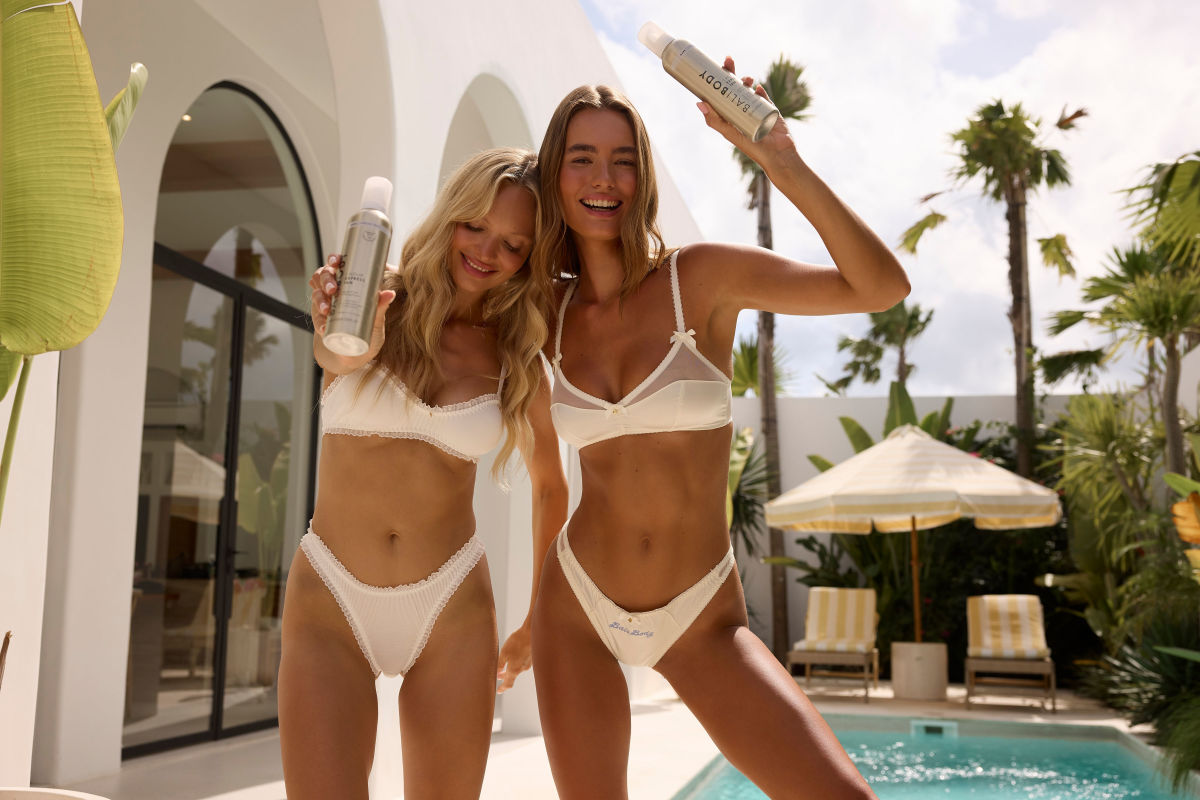
Photo: Courtesy of Bali Body
"Australia has a very strong sun, beach and outdoor culture, which naturally lends itself to body-care and sun-care innovation," Bali Body Founder Laura Osterloo says. "Many Australian brands are built around that lifestyle, which resonates strongly with U.S. consumers." Gem Founder and CEO Georgia Geminder concurs, adding that U.S. shoppers are drawn to Australia's "authenticity," magnified by the brands' "effective formulas, great ingredients and a relaxed, lifestyle-led approach to beauty."
For the Australian brands themselves, entering the U.S. marks a right of passage: "Australia is also a relatively small market, so if you're building a brand with global ambitions, international expansion becomes part of the journey quite quickly," Balderson notes. For reference, Australia's beauty and personal-care market is expected to generate AU $12.38 billion (approximately $8.48 billion) in 2026, compared to the U.S. market's whopping $106.76 billion. Expanding into America's sprawling beauty landscape pushes Australian brands to center product innovation and target a significantly larger consumer base. As Smith says: "We are just a small piece of the global pie, but are respected in the beauty industry and looked to for discovery."
Reaching America's substantial audience can be challenging for Australian body-care brands born into a smaller beauty market, but marketing in the U.S. is less about shifting a brand's messaging and more about sustainably scaling. "The U.S. market moves incredibly quickly and operates at a much larger scale, so you need to be ready operationally and culturally to meet that pace," Geminder advises. The fundamentals are the same, Balderson adds, since authenticity shines through across cultures and global markets, while Osterloo notes that there's a "bigger focus on education and category discovery" to tap into America's vast beauty population.
"In the U.S. you're a small fish in a huge pond, but that environment also pushes brands to innovate," Balderson says. "There's a lot of creativity and experimentation happening, which is energizing."
* This article was originally published here