
For years, beauty operated on an expansion cycle fueled by virality. A product would take off, a category would trend, and suddenly shelves were flooded with line extensions, spin-offs and “new” launches designed to keep pace with social media. But across skin care, hair care, makeup and body care, that model is starting to lose its grip. In its place, a quieter strategy is taking hold: SKU reduction.
Rather than chasing growth through sheer volume, more brands are focusing on smaller assortments, clearer hero products and launches that serve a distinct purpose. The shift is partly financial, partly operational and closely tied to how consumers are shopping now. In an increasingly crowded market, having more products no longer automatically communicates strength. For many brands, it signals confusion.
The End of Infinite Launches
At the retail level, that recalibration is already visible. “We’re absolutely seeing brands move away from launch volume and towards more intentional innovation,” says Jessica Phillips, vice president of merchandising at Ulta Beauty. She points to tighter assortments, culturally driven collaborations and launches designed to meet a very specific guest need rather than simply adding more products to the shelf.

Photo: Brian Cassella/Chicago Tribune/Tribune News Service via Getty Images
That pressure matters because retail visibility is no longer guaranteed by novelty alone. Shelf space is limited, discovery is more competitive and retailers want products that are easy to merchandise and simple for shoppers to understand. “At Ulta Beauty, shelf space is some of the most valuable real estate we offer our brand partners,” says Phillips. The brands that stand out are often the ones with a clear point of view and at least one product that immediately communicates what they do best.
The Power of the Hero Product

Photo: Courtesy of Uni
That’s where the "hero product" comes in. Across the industry, executives describe hero products not as something a brand can force into existence, but rather a standout item consumers reveal through their behavior. Repeat purchase, product velocity, ratings, social buzz, professional endorsement and routine integration all signal which products deserve deeper investment.
When asked how brands determine hero products, Uni Founder and CEO Alexandra Keating doesn't hesitate: “You don’t," she says. “The market tells you.” In Uni’s case, that product was the 24-Hour Body Serum, which became the brand’s top-selling body treatment across multiple retailers and the foundation for how the rest of the assortment subsequently expanded. Instead of building unrelated launches around it, Uni used that hero to shape a broader routine and sensorial identity.
That same strategy also plays out across other beauty categories: For color cosmetics brand Saie, Founder and CEO Helane Crowell says community behavior reveals which SKUs become core to the brand. “When a product takes on a life of its own, when people are reordering it, gifting it, sharing it with their friends… that’s when we know,” she explains.
At skin-care brand Farmacy, CEO Lauren Lovelady shares a similar experience. “We didn’t intentionally set out to make Green Clean and Honey Halo heroes,” she says. “They’re heroes because consumers fell in love with them.”
For brands, that kind of clarity can be far more valuable than a crowded launch calendar. Nadeem Moiz, CEO of Revance (whose portfolio includes aesthetics brands like Daxxify and consumer skin care like PanOxyl and StriVectin) says the current beauty environment is more disciplined than it was just a few years ago. “Consumers are more value-conscious and more focused on products that deliver visible results,” he says. “At the same time, retailers are asking brands to be more thoughtful about assortment and shelf space.” Combined with an increasingly saturated market, those pressures are pushing brands to simplify portfolios, eliminate overlap and invest behind the products with the clearest value proposition.
Simplifying the Beauty Routine
At StriVectin, part of Revance’s portfolio, that streamlining process was informed by a desire to make the line easier to navigate. “Ultimately, the goal was clarity,” Moiz says. “When the product story is clearer, it becomes easier for consumers to understand where a product fits in their routine and why it matters.”
It may sound simple, but it solves one of beauty’s biggest modern problems: decision fatigue. Kristen Chase, general manager at Nutrire, notes that the industry spent years training shoppers to believe they needed a huge array of products and complicated routines, even as consumer behavior increasingly points in the opposite direction. “I think the next phase of beauty is about precision,” she says. “Fewer products, better formulas and clearer results.”
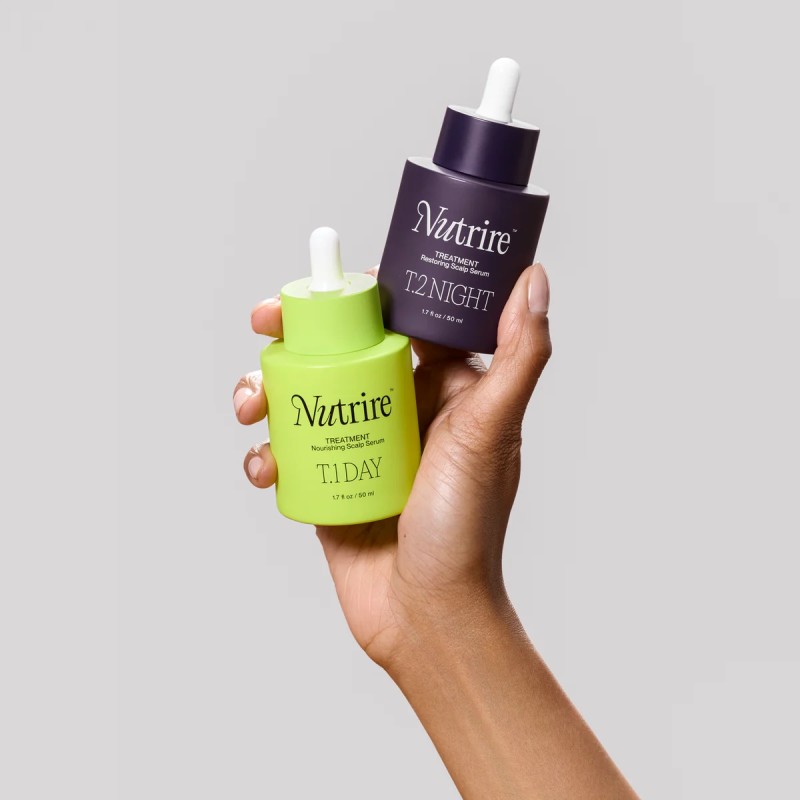
Photo: Courtesy of Nutrire
That precision benefits brands, too. Operationally, a smaller assortment simplifies forecasting, inventory management, supply chain planning and education. A tighter portfolio also allows marketing teams to go deeper rather than wider, concentrating resources on the products most likely to drive repeat purchase and long-term loyalty.
“By pushing one product on all fronts you have a greater chance of making a real impact,” says Keating. “Then the line becomes about routine and upsell.” Anisa Beauty Founder Anisa Telwar Kaicker adds: “Ultimately, a more focused assortment allows us to move more intentionally rather than simply moving faster."
Innovation Without the Noise
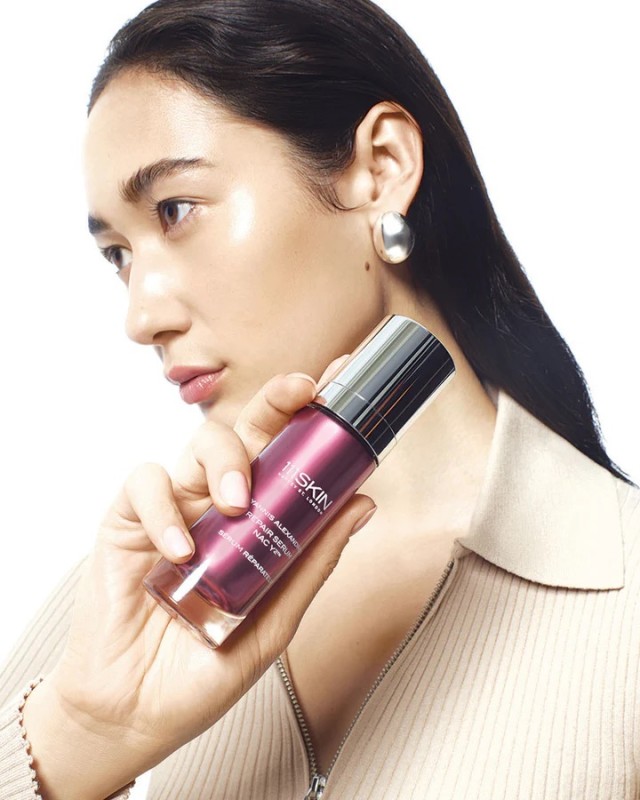
Photo: Courtesy of 111 Skin
The strategic advantage isn’t just about cost savings. It’s also about brand identity. In a market where many assortments can start to look interchangeable, hero products often become the clearest shorthand for what a brand stands for.
That helps explain why so many founders are resisting trend-driven launches unless they can offer something genuinely different. 111 Skin Co-founder and Chief Creative Officer Eva Alexandridis says the brand has deliberately avoided entering categories simply because buyers or the market were asking for them. “Consumers today are more educated and expect results, so launching products simply to add more SKUs is no longer enough,” she says. “If we do launch in that category, it will only be when we can bring something genuinely innovative, not simply because it is trending.”
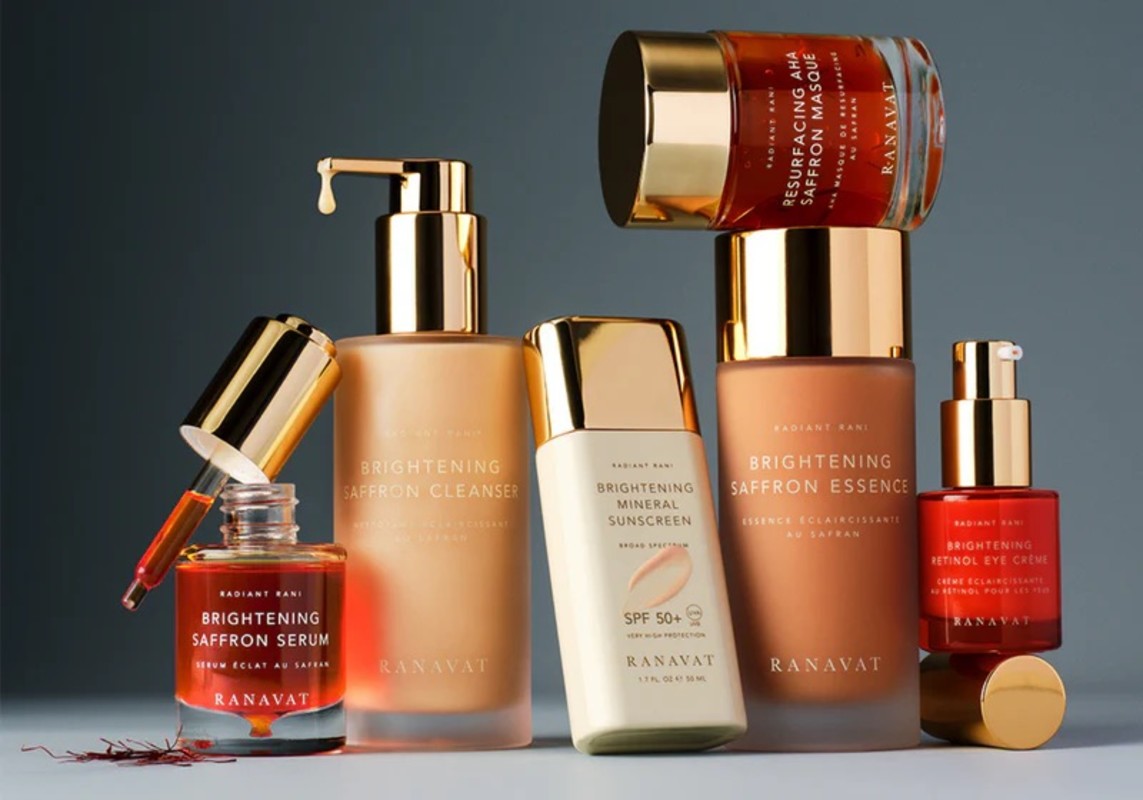
Photo: Courtesy of Ranavat
That sentiment is echoed by Michelle Ranavat, founder and CEO of Ranavat, who says the brand’s pacing has always been rooted in intentionality rather than speed. Each launch must feel authentic to the brand’s Ayurvedic heritage, fulfill a genuine need within the existing collection and deliver a sensorial ritual worth returning to. The hero status of Ranavat’s saffron-based brightening products, particularly the Brightening Saffron Serum, has made it easier for consumers to understand what the brand stands for without overwhelming them with constant novelty.
Shan Berries, co-founder and CEO of color cosmetics brand Shades By Shan, says the brand is focusing more on formula improvements and shade expansions than entirely new SKUs. That approach reflects a growing recognition that innovation doesn’t always require a brand-new product. Sometimes it means refining what already works, improving performance, or making a hero product more inclusive and versatile.
That idea is gaining traction across large corporations and the mass market as well. Kathleen Dunlop, chief marketing officer for Beauty & Wellbeing at Unilever North America, says the company is shifting from a “more is more” mindset to “fewer, better,” prioritizing products with clear performance, a defined role in a routine and strong value across price tiers. In that framework, launches still matter — but they must strengthen a brand platform rather than fragment it.
“Innovation works best when it builds on a clear brand platform rather than adding more products for the sake of it,” Dunlop says. Whether it’s TreSemmé’s A-List Collection, Dove’s UV Repair & Glow range, or SheaMoisture’s Silk Press in a Bottle, the strategy is less about adding more options and more about ensuring each product earns its place.
That phrase — "earns its place" — comes up repeatedly in conversations about SKU reduction. At Saie, Crowell says every product has to meet the brand’s standards for performance, skin compatibility and sustainability. At Nutrire, Chase says if a formula doesn’t deliver a distinct benefit or elevate the overall system, “it doesn’t need to exist.”
What This Means for Beauty's Future
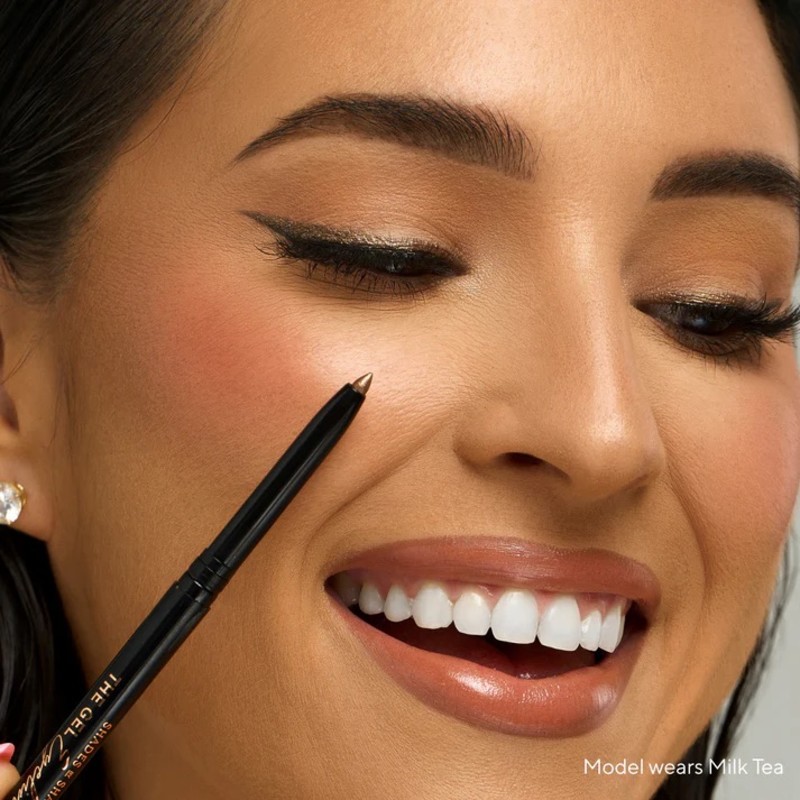
Photo: Courtesy of Shades by Shan
This is where profitability and consumer trust start to converge. A bloated assortment may create a temporary illusion of momentum, but it can drain a brand’s resources across manufacturing, inventory, retail education and marketing support. A curated assortment, by contrast, gives brands a better chance of building sustained equity around products people actually repurchase.
For consumers, the upside is just as clear: A tighter assortment reduces friction and makes it easier to understand what each product does, how it fits into a routine and why it matters. Moiz says most skin-care consumers don’t want to decode dozens of overlapping choices. They want confidence that they’re selecting the right regimen for their needs. In that sense, SKU reduction isn’t just a back-end business decision — it’s a user-experience strategy.
Still, the industry isn’t moving in lockstep. Alexandridis notes that, while some brands are becoming more thoughtful, many are still chasing constant newness, especially in fast-growing categories and trend cycles driven by Korea and social media. Beauty hasn’t abandoned launch culture altogether. But there is a growing split between brands that treat launches as noise and brands that treat them as long-term architecture.
That’s why many founders and executives see this shift not as a temporary correction, but as a broader evolution. Beauty isn’t becoming less innovative — it’s becoming more selective about what qualifies as innovation in the first place. In a market once defined by endless newness, editing may become its own kind of power.
* This article was originally published here