Occasionally, we use affiliate links on our site. This in no way affects our editorial decision-making.
In spite of (warranted) dermatologist fist-shaking, Gen Z is still tanning. TikTok is inundated with poolside videos of young creators flaunting bikini tan lines and promoting "base tans" (which, spoiler alert, are a myth). So-called "tanmaxxers" — or Larry the Lobster variants — are religiously tracking the UV index to map out peak times to bake in the sun. In fact, a particularly concerning statistic came out of a 2024 American Academy of Dermatology survey: 28% of Gen Z respondents said getting a tan was more important to them than preventing skin cancer.
The sun-care industry has long been up against a formidable tanning culture — and now sunscreen fearmongers and MAHAs favoring beef tallow over dermatologist-approved SPFs — but how can independent brands cut through the online chatter around chasing a high UV index and resonate with Gen Z beauty consumers?
To be fair, this fascination with tanning isn't a uniquely Gen Z issue, as Bask Suncare Co-Founder Michael Huffstetler points out. It's more of a "'young person who feels invincible' problem," he adds. Sure, the younger generation recently coined the term "tanmaxxing" (or the pursuit of getting as tan as possible), but this sun-chasing culture has been deeply rooted in America's zeitgeist for years. From "Baywatch"'s beachside slo-mos to the coveted "sun-kissed skin" immortalized in Katy Perry's "California Gurls," tanning has long been a youth fixation. Being tan has become synonymous with being confident. As Kylie Jenner recently said on Jake Shane's "Therapuss" podcast: "Sometimes I think I'm depressed, and then I get a spray tan and I'm like, I was just pale."
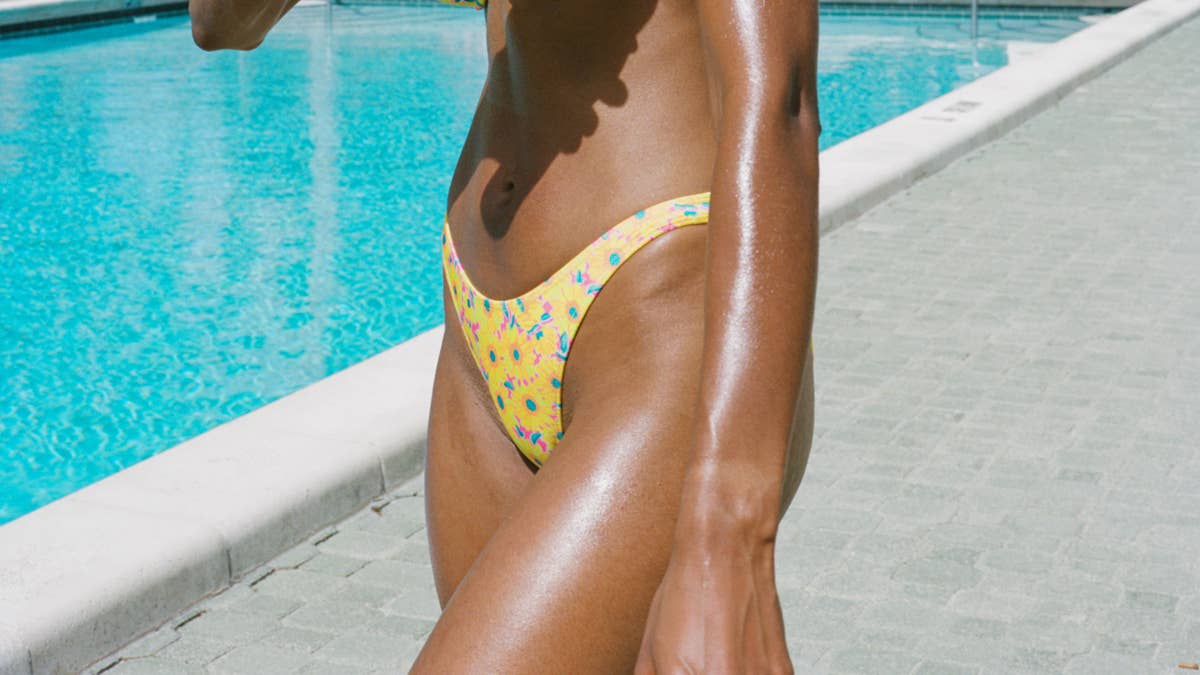
Photo: Courtesy of Bask Suncare
"Gen Z has access to more information than any generation before them, but they are also constantly exposed to images that romanticize tanned skin as healthy, attractive or aspirational," Dr. Whitney Hovenic, a Nevada-based board-certified dermatologist and co-founder of sun-care brand Spooge, tells Fashionista. "A tan gives an immediate visual result, while the consequences of sun damage often feel distant until they are sitting in a dermatology office years later."
This instant gratification is hard for dermatologists and sun-care brands to compete with, but as New York City-based board-certified dermatologist Dr. Nkem Ugonabo warns, "there is no such thing as a 'safe' tan." "Having spoken to many patients about this, I think people know in general that tanning can be harmful, but I genuinely believe many underestimate the extent of the harm it causes," she continues. One particularly widespread misconception is the aforementioned "base tan," or a gradual tan believed to "protect" the skin from damage during prolonged sun exposure. In reality, the mere presence of a tan is proof that damage has already occurred, adds Dr. Elizabeth Hale, a New York-based board-certified dermatologist and Vacation's chief medical adviser.
"When the skin produces more pigment after UV exposure, it is trying to protect itself from further DNA damage," she explains. After all, the body keeps the score: UV exposure is cumulative, meaning the effects later appear as brown spots, broken blood vessels, fine lines, wrinkles, uneven texture, precancerous spots and skin cancers.
"Skin cancer is not just something that happens later in life," Dr. Hale says. "A tan for a weekend, a trip or a photo is not worth increasing your lifetime risk." And in case the word "cancer" isn't a clear enough indicator, skin cancer can in fact be deadly.
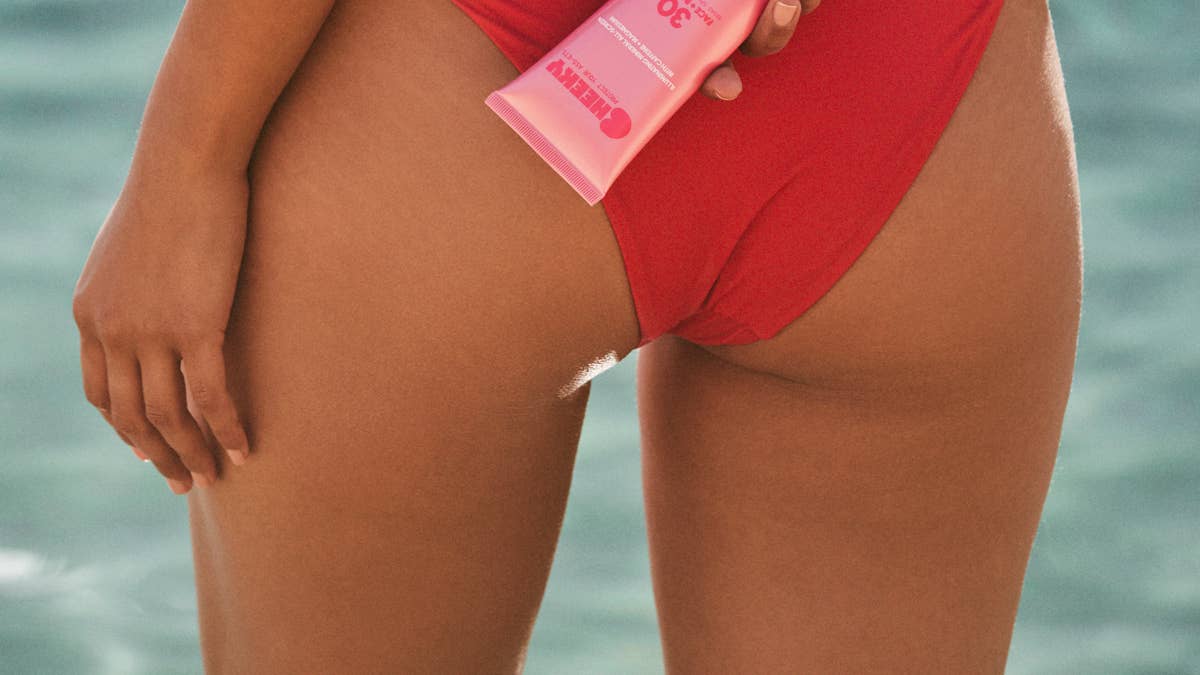
Photo: Courtesy of Spooge
Authenticity, Not Fear Mongering
To shift Gen Z's perspective on tanning, indie sun-care brands are leaving the lectures behind. "Fear doesn't move this audience, in my opinion," Huffstetler says. "Authenticity does." Dr. Hovenic concurs, adding that humor and strong visuals from brands that feel "part of the conversation" rather than those "lecturing from the sidelines" hook younger beauty consumers. Case in point: Spooge taps into "intentionally playful" messaging, as seen in its butt cheek-specific SPF called Cheeky. ("Protect your ass-ets," the pink packaging reads.)
Bask also fits right in with the colorful, Gen Z-coded cohort of sun-care brands, boasting butter yellow bottles bearing its bubble-letter logo. With a fully realized brand aesthetic in tow, Bask appeals to "the long-term vanity project" — rather than tanning's short-term rush — to encourage consumers to love (and protect!) the skin they're in. Bask acknowledges that its audience simply wants to look good, and it doesn't shy away from some tough love in its positioning.
"We're pretty upfront about how dumb you look coming back to the office with a sunburn or too tan after a long summer weekend, and about how bad you're potentially going to look down the road when all that sun tanning catches up with you and you end up looking like an old catcher's mitt," Huffstetler says.
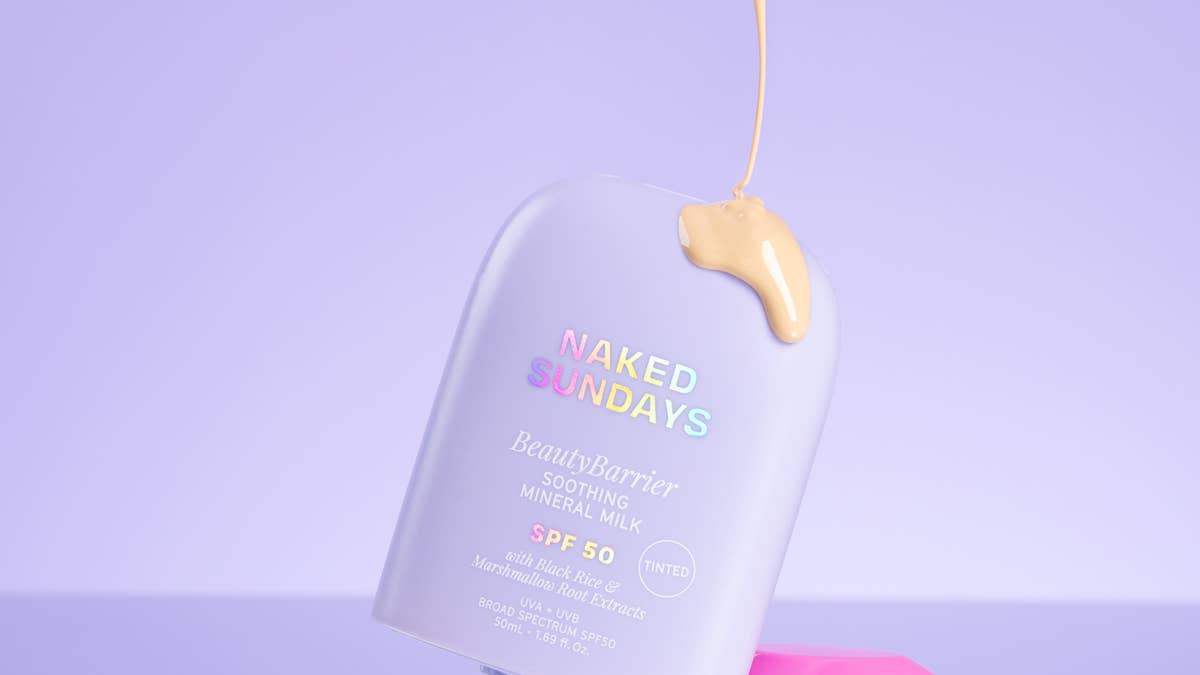
Photo: Courtesy of Naked Sundays
Next-Generation Formulas
Of course, an authentic brand voice and splashy packaging only carries a brand so far. The real challenge of confronting Gen Z's tanning resurgence lies in creating sunscreen formulas that people actually want to wear, as consumers are quick to check out at the first sign of an unpleasant texture, overpowering scent or lingering white cast. For Naked Sundays Founder Samantha Brett, "SPF should fit seamlessly into your beauty routine."
The Australian sun-care brand focuses on hybrid products spanning setting sprays, skin tints, primers, blushes and lip care — all with built-in SPF. One of its latest launches, CabanaMilk Mineral Barrier Fluid, delivers a hydrating priming base featuring hyaluronic acid and black rice extract in addition to SPF 50. For 20-something "tanmaxxers" who may turn their nose up at traditional sunblock, these lightweight, multitasking formulas serve as a gateway to protected skin.
"We're making it easier for consumers to incorporate sun protection into every step of their routine without compromising on the experience or finish," Brett says.
Over at Bask, Huffstetler says the Florida-based company is "trying to reach Gen Z by changing the perception of sunscreen." Bask's latest innovation — Mineral Sunscreen Serum — is a milky SPF 50 powered by glycerin, allantoin and bisabolol for intense hydration and improved skin elasticity. Meanwhile, Spooge is focused on "wearability," with sunscreen formulas that feel "more like skin care than a chore," Dr. Hovenic says. For example, its Dew Me, a tinted mineral SPF 30, is formulated with hyaluronic acid, niacinamide and allantoin for a hydrating feel. Spooge's Ghosted, an "invisible" mineral SPF 30, also delivers a comfortably lightweight texture thanks to bisabolol, vitamin E and squalane.
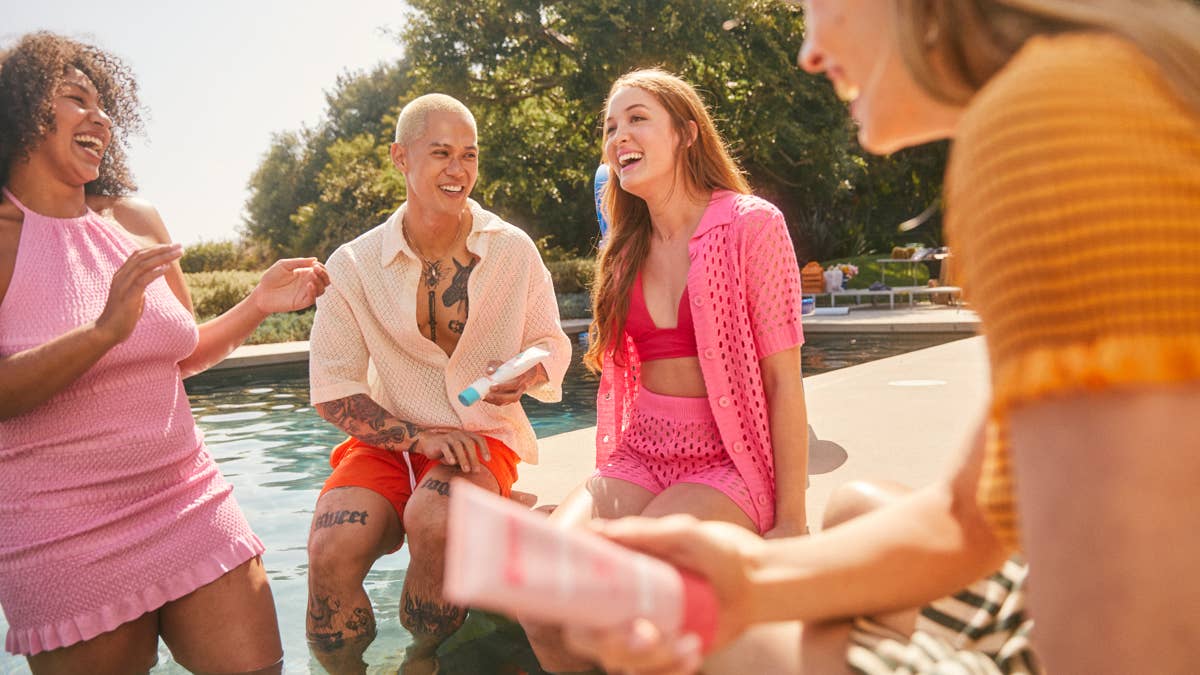
Photo: Courtesy of Spooge
Rethinking Sun-Safety Education
However, this foray into fun messaging and elevated formulations isn't to say that sun-care education isn't vital for Gen Z. Everyone already knows you should be wearing SPF, so brands have to approach the education element differently. Today, it's about showing, not telling.
"Our approach is education without intimidation," Dr. Hovenic says. "As dermatologists, we spend so much time in the office explaining skin cancer prevention, but a pamphlet or a clinical warning is not always going to resonate with a 14-year-old, a college student or someone scrolling TikTok."
Instead, education is more likely to reach Gen Z when it's "direct, engaging and shareable," she adds. Think Instagram stories, TikTok explainers or engaging graphics that not only meet Gen Zers where they're already at (online), but also speak their language.
"We find that sharing real-life stories of young people who've experienced skin cancer as a result of excessive UV exposure is one of the most powerful ways to cut through," Brett says. "... Seeing the reality of skin cancer, whether that's surgery, scarring or the long-term impact on someone's life, makes the risks feel tangible in a way that statistics alone often can't."
For Huffstetler, the devastating reality of skin cancer is personal. He lost his uncle to it, which inspired his entrance into the SPF space and his journey to promote sun safety. Now, Bask is targeting Gen Alpha to foster a solid foundation of sun-safety education in younger generations, especially since about a quarter of a person's lifetime UV exposure happens before age 18. Bask partners with organizations across the country to provide low-income children with free sunscreen and information on sun safety. "We're trying to instill good habits early, and we're funding that initiative with [10 %] sales proceeds from Bask," Huffstetler says.
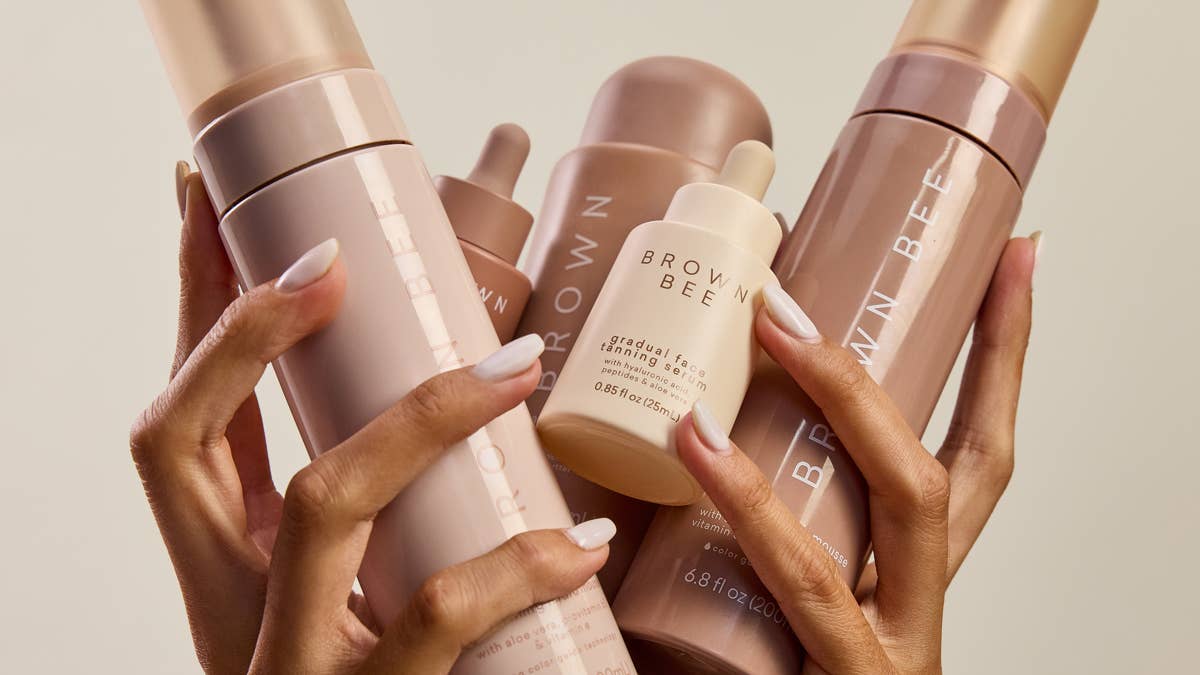
Photo: Courtesy of Brown Bee
Sunless Tanning Deserves a Seat at the Table
There's also an opportunity for sunless tanning brands to further step into Gen Z's radar. Abandoning tanning altogether may be a hard line for some younger consumers to cross, but sunless tanning brands deliver the best of both worlds: There's no UV exposure and you secure the desired glowy finish. A new generation of at-home tanning brands — including Luna Bronze and Brown Bee — are now revamping the thick, patchy tints of self tanner's past for a safer glow. And sunless tanning formulations have come a long way since their notoriously streaky, orange past. Fashionista's Beauty + Style Director Steph — a millennial who came of age during the era when you'd put a sticker on your hip before tanning to create a faux tanline "tattoo" — now swears by Sugared + Bronzed for pro spray tans and Cyklar's Self-Tanning Milky Essence for at-home touch-ups.
When it comes to courting Gen Z specifically, Luna Bronze rejects the sun-filled marketing clichés of retro-inspired tanning oils, instead evoking the subtler concept of a moonlit glow (hence its lunar-inspired name). The Aussie sunless tanning brand co-founded by Maddy Balderson and Rhiannon Hall relies on this positioning because it stems from Balderson's personal experience with the risks of tanning: She used tanning beds as a teenager, developed skin cancer in her mid-20s and completed her third round of surgery and radiation last year. Despite documenting her cancer journey, she says she doubts it resonated with younger audiences: "Blood and stitches doesn't beat 'I want to look like I just got back from Mykonos.'"
"Tanning is tied up in identity and summer and feeling hot — that beats a warning label every time," Balderson continues. "So the job isn't 'scare them,' it's 'give them something that looks and feels as good, minus the deathbed subplot.'"
For Argentinian sunless tanning brand Brown Bee, Founders (and sisters) Maria Victoria Sanchez and Irene Sanchez say they know Gen Z isn't going to stop spending time outdoors. Instead, Brown Bee's goal is to make "it easier to achieve that same confidence in ways that don't depend on more time in the sun." The brand's product assortment, which launched in the U.S. in March, spans lightweight tanning mousses (infused with aloe vera, glycerin and panthenol) to face tanning serums (packed with peptides to support collagen and elasticity).
"We think about [Gen Z] as consumers who have incredibly high expectations and want clean, effective products," Maria Victoria and Irene add. "They can spot overly polished marketing instantly, they expect transparency and they want products that fit naturally into their lives."
Sunless tanning brands and sunscreen brands alike aren't trying to push Gen Zers indoors. Quite the opposite: The indie brands that are breaking through with the younger generation organically fit into their lifestyles by offering a safer, yet elevated, sun-care experience.
"Our 'trick' is just to make [SPF] fun without being preachy or using scare tactics, and to have products that feel great to wear so it's not the hassle it was when you were a kid," Huffstetler says. "We're not scaring people into sunscreen. We're making them want it."
* This article was originally published here